
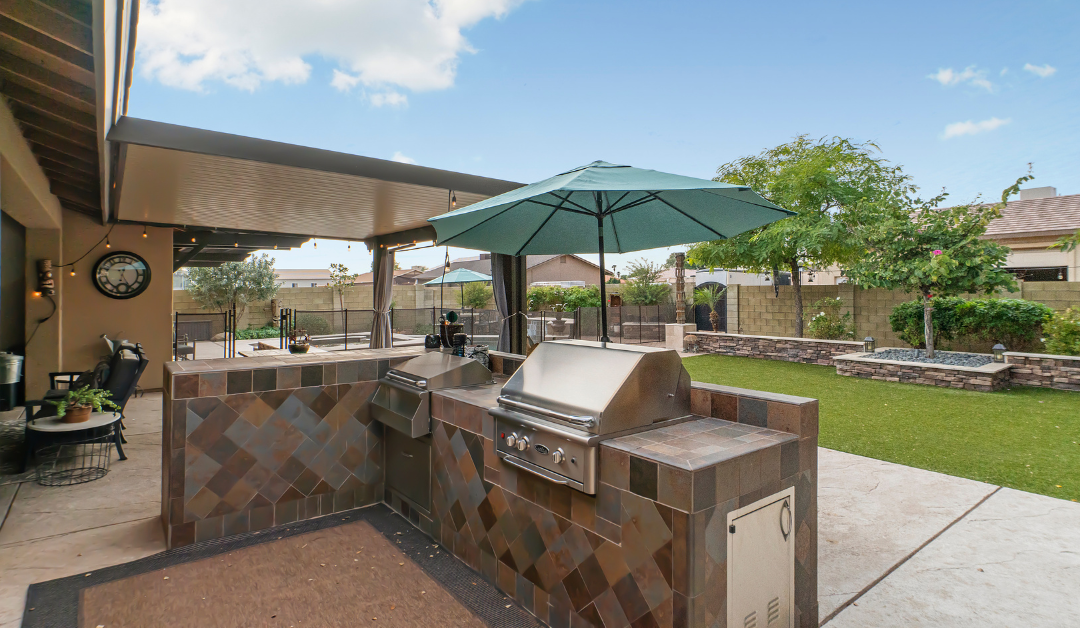
A concrete patio can turn an unused part of your yard into a comfortable outdoor living space. Many homeowners focus on rooms inside the house. Yet the backyard offers plenty of room to relax, share meals, and spend time with friends and family.
A patio gives these activities a dedicated place. It creates a firm surface for chairs, tables, and other outdoor features. Instead of moving furniture around the lawn, you can build a layout that suits your daily routine.
A well-planned patio also helps connect your home to your yard. Step outside with your morning coffee, enjoy dinner in the evening, or settle into a chair after a busy day. With a useful space close to home, spending time outdoors becomes easier.
Creating a Defined Outdoor Gathering Space
An open yard can offer plenty of space without giving people a clear place to gather. Furniture may feel scattered, and some areas may go unused. A concrete patio helps bring the outdoor layout together.
The patio creates a central spot for conversation, meals, and quiet breaks. It also separates the main seating area from the lawn, garden beds, and other parts of the yard.
You can organize this gathering space around the way your household spends time outside. Common options include:
- A seating area for family conversations.
- A dining table near the back door.
- A quiet corner with lounge chairs.
- An open area for hosting friends.
The goal is to give each part of the patio a clear purpose. Even a simple layout can make your backyard feel more welcoming and easier to use.
Supporting Outdoor Dining and Entertaining
Outdoor meals are more enjoyable when everyone has a comfortable place to sit. A properly installed concrete patio provides a firm, even surface for dining tables, chairs, and serving carts.
This setup makes everyday meals and larger gatherings easier to manage. You can carry food outside, arrange seating, and give guests room to move without placing everything on the grass.
When planning an outdoor dining area, leave space for more than the table itself. Guests need room to pull out chairs and walk around seated diners. Keep the route to the house clear, too.
A useful dining layout may include:
- A table that fits your household and typical guest count.
- Enough room behind chairs for easy movement.
- A nearby spot for drinks and serving dishes.
- Lighting for evening meals.
- Shade where the location and design allow it.
With a thoughtful layout, your patio can support casual lunches, weekend cookouts, and special gatherings.
Providing a Durable Surface for Everyday Use
Outdoor surfaces face rain, temperature changes, foot traffic, and regular wear. A patio needs to handle these conditions while giving your household a useful place to spend time.
Concrete provides a solid surface for daily activities. When the patio is properly planned, installed, and maintained, it can serve as a lasting part of your outdoor space.
That does not mean concrete needs no care. Cracks, wear, and surface changes can still occur. Good site preparation, proper drainage, and suitable joints all play a role in how the finished patio performs.
For homeowners, the benefit is simple: a dependable place for meals, seating, and everyday outdoor use. Instead of repeatedly setting up a temporary space on the lawn, you have a permanent area ready for your next activity.
Creating Space for Outdoor Furniture
Comfortable furniture can make a backyard more inviting. However, even a good chair is less enjoyable when its legs sink into soft ground or sit unevenly on the lawn.
A concrete patio gives outdoor furniture a firm base. Tables are easier to position, and seating can stay arranged around the way you use the space.
Before choosing the patio size, think about the furniture you want to include. A small café table needs much less room than a dining set and a separate lounge area.
Consider these furniture zones:
- Dining: A table and chairs for meals outdoors.
- Conversation: Chairs or a sofa arranged for small groups.
- Relaxation: Lounge chairs with a side table.
- Flexible space: An open section for extra seating when needed.
Leaving space between these areas helps the patio feel comfortable rather than crowded. It also makes daily use easier.
Improving Access Throughout the Property
A patio can help connect the home with other parts of the yard. It gives people a clear place to step outside and move toward nearby gardens, walkways, or seating areas.
This connection is especially useful near doors that see frequent use. A well-planned layout can reduce the need to cross soft grass or uneven ground when carrying food, moving chairs, or walking through the yard.
Access should be part of the design from the start. Important details include:
- The height difference between the doorway and patio.
- The width of walking routes.
- Changes in slope or elevation.
- Surface texture and drainage.
- Room to move around furniture.
A concrete surface alone does not make an area accessible for everyone. The full layout needs to reflect the needs of the people using it. Careful planning helps create a more comfortable outdoor space for homeowners and guests.
Supporting Additional Outdoor Features
A patio can serve as the starting point for a larger outdoor living area. Some homeowners begin with a table and chairs. Others plan for a cooking area, overhead shade, or built-in seating.
Possible additions include:
- Pergolas or other shade structures.
- Outdoor kitchen areas.
- Built-in benches or seating walls.
- Fire features designed for the space.
- Lighting and nearby landscape features.
These features should be discussed during the planning stage. Heavy structures may need their own footings or added support. Cooking areas may require utility work, while fire features need suitable placement and clearances.
Planning ahead helps you understand what the patio can support. It can also reduce the need to change finished work later. Even if you build in stages, a clear plan helps each addition fit the space.
Enhancing the Appearance of Your Yard
A patio does more than provide a place for furniture. It can also make the yard look more organized and complete.
Without a defined outdoor living area, tables, chairs, and other items may seem scattered. A concrete patio brings these pieces together and gives the landscape a clear center.
The shape and placement of the patio can help connect it to your home. For example, a simple layout may work well beside a straight rear wall. A different shape may better suit nearby garden beds or an existing walkway.
Small details help complete the space:
- Planters can soften the edges.
- Furniture can define separate activity areas.
- Lighting can highlight paths and gathering spots.
- Nearby landscaping can connect the patio to the yard.
The aim is a balanced design that looks natural and supports the way you live.
Creating an Outdoor Space That Is Easy to Maintain
Most homeowners want to enjoy their backyard without adding a long list of chores. A concrete patio offers a solid outdoor surface with a fairly simple care routine.
Regular upkeep helps keep the area clean and gives you a chance to notice changes early. The right care will depend on the patio’s finish, condition, and exposure to weather.
Basic tasks may include:
- Sweeping away leaves, dirt, and loose debris.
- Cleaning spills before they leave stubborn marks.
- Checking for cracks or areas that hold water.
- Keeping nearby drainage paths clear.
- Following the installer’s guidance on cleaning and sealing.
Sealing needs can vary, so it helps to ask what is right for your patio rather than follow a one-size-fits-all schedule.
A little routine attention helps you spend less time dealing with buildup and more time enjoying your outdoor space.
Encouraging More Time Outdoors
A backyard is easier to enjoy when it has a comfortable place to sit. Without one, stepping outside may mean finding a chair, moving it onto the lawn, and looking for a suitable spot.
A patio removes much of that setup. Your furniture already has a place, and the space is ready when you are.
That can make room for small outdoor moments throughout the day:
- Drinking coffee before work.
- Taking a short reading break.
- Eating lunch outside.
- Talking with family after dinner.
- Relaxing in the evening air.
The patio does not need to be large or filled with features. A few comfortable seats and a layout that fits your routine can make it more useful.
When outdoor time feels easy, the backyard can become a regular part of daily life.
Offering Flexibility for Different Activities
Every household uses its outdoor space differently. Some people want room for guests. Others prefer a quiet place to unwind, tend nearby plants, or spend time with family.
A concrete patio gives you a space that can support several uses. The same area can hold a weekend meal, provide a quiet reading spot, or offer extra seating during a gathering.
Movable furniture makes it easier to change the layout. Keeping part of the patio open also gives you more options as your needs change.
| Patio Area | Everyday Use | Use During Gatherings |
|---|---|---|
| Dining area | Family meals and morning coffee | Shared meals or a serving table |
| Seating area | Reading and relaxing | Conversation space for guests |
| Open area | Flexible room for daily activities | Extra chairs and space to move |
A flexible layout helps the patio stay useful without requiring every activity to have its own permanent section.
Providing Long-Term Everyday Value
The value of a patio is not limited to how it looks when the work is finished. Much of its benefit comes from the ways you use it over time.
A patio can give your household a place for regular meals, family visits, quiet breaks, and seasonal gatherings. It can also help bring unused parts of the yard into your daily routine.
Long-term performance depends on more than choosing concrete. The design, ground preparation, installation, drainage, and ongoing care all matter.
It also helps to choose a layout that fits your actual needs. A patio that comfortably holds your furniture and connects well to the home may serve you better than a larger space with no clear purpose.
Think about value in terms of comfort, usefulness, and lasting enjoyment—not only the size of the finished surface.
Planning a Patio That Fits Your Property
Every yard has its own layout, challenges, and opportunities. A useful patio design starts with those details rather than a standard size or shape.
First, decide how you want to use the space. Then consider where it should sit and how it will connect to the house.
Key planning points include:
- Size: Allow room for furniture, people, and clear walking routes.
- Location: Consider the distance from doors, kitchens, and other outdoor areas.
- Sun and shade: Think about conditions during the hours you expect to use the patio.
- Drainage: Plan how water will move away from the home and across the site.
- Privacy: Look at views from nearby homes, streets, and neighboring yards.
- Future features: Discuss planned structures, utilities, and built-in elements early.
- Care needs: Choose a design and finish that suit your upkeep preferences.
Working through these questions before construction helps keep the project focused. It also gives your contractor a clearer picture of what you want the finished space to do.
Design Your Patio Around Comfort
A successful outdoor space should look inviting and feel easy to use. A concrete patio helps create that balance by giving furniture, meals, and gatherings a dedicated place.
Start with the activities that matter most to your household. Make room for comfortable seating, clear walking routes, and the features you expect to use often. Then build the design around your yard and your daily routine.
Whether you want a quiet place for morning coffee or more room to host family and friends, thoughtful planning makes a difference. A well-designed patio can connect your home to the outdoors and give you more ways to enjoy your property for years to come.
Stay up to date with the latest at Austill Construction by liking us on Facebook.