
Sidewalks and walkways are essential features of residential and commercial properties. They provide convenient access to entrances, connect outdoor spaces, and help create a welcoming environment for visitors. When these surfaces are properly installed and maintained, they can provide dependable performance for decades.
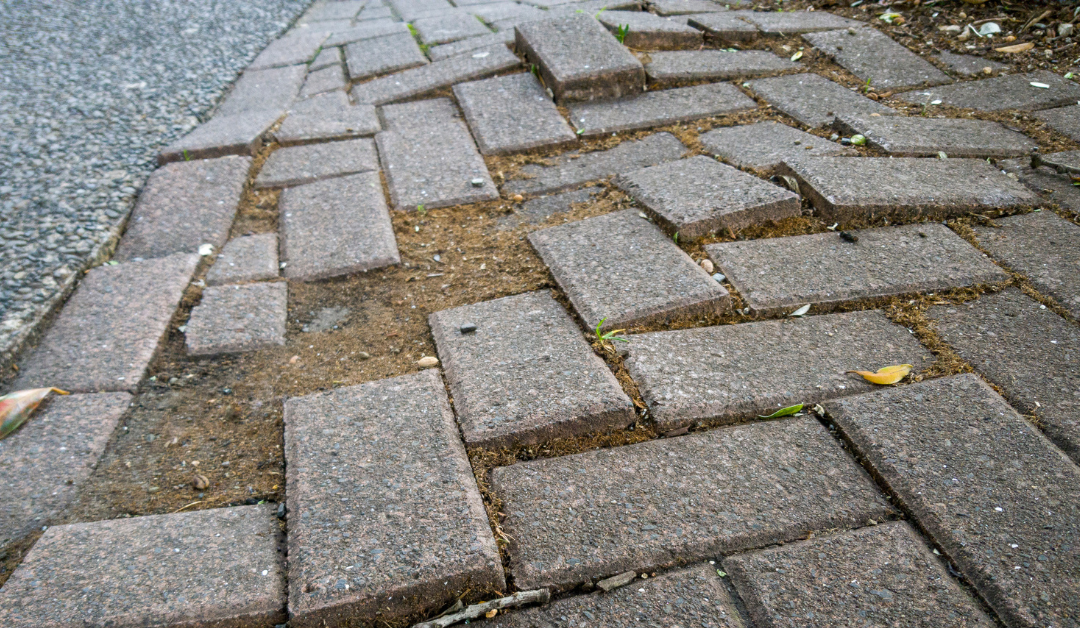
However, sidewalks and walkways can become uneven over time. Changes in soil conditions, moisture levels, tree roots, and seasonal temperatures may cause individual concrete sections to shift or settle. These changes can affect the appearance, accessibility, and functionality of outdoor walking surfaces.
Concrete leveling is one potential solution for addressing uneven slabs without replacing an entire sidewalk or walkway. Understanding what causes these changes, how repairs work, and when replacement may be more appropriate can help property owners make informed decisions.
Why Do Concrete Sidewalks Become Uneven?
Concrete is a durable construction material, but its performance depends heavily on the stability of the ground beneath it. When soil shifts or loses its ability to provide consistent support, the concrete above may settle unevenly.
One common cause is soil settlement. During construction, the ground beneath a sidewalk should be properly prepared and compacted. If the soil gradually compresses or shifts, portions of the concrete may sink.
Water can also influence soil stability. Heavy rainfall, poor drainage, and underground water movement may gradually wash away supporting materials. This erosion can create empty spaces beneath concrete slabs, allowing sections to settle.
Tree roots present another consideration. As roots grow beneath or alongside sidewalks, they may lift individual sections or create uneven transitions between adjoining slabs.
In Pennsylvania, seasonal freezing and thawing can contribute to movement. Moisture within certain soils may freeze and expand during colder months, temporarily lifting portions of the ground. When temperatures rise, the soil may settle differently.
Understanding these conditions is important because concrete leveling should address more than the visible height difference between slabs.
Signs Your Sidewalk or Walkway Needs Attention
Uneven concrete does not always develop suddenly. Small changes may occur gradually, making them easy to overlook during everyday use.
One of the most noticeable signs is a height difference between adjoining sidewalk sections. Even a relatively small change can create an uncomfortable walking surface, particularly for people using mobility aids, strollers, or wheeled equipment.
Other signs include water collecting near slab edges, gaps developing between concrete sections, and visible changes in the slope of a walkway.
Cracking may also accompany settlement. When a slab loses consistent support, additional stress can develop in certain areas, potentially contributing to fractures.
Property owners should pay attention to transitions near building entrances, steps, parking areas, and public sidewalks. These locations often experience regular pedestrian traffic and may require particular attention to accessibility.
Identifying changes early allows property owners to explore concrete leveling or other appropriate repairs before the surface deteriorates further.
What Is Concrete Leveling?
Concrete leveling is a repair approach intended to restore the elevation of sunken or uneven concrete sections. Rather than automatically removing an entire slab, certain methods can raise an existing section to improve its alignment with surrounding surfaces.
The appropriate technique depends on the condition of the concrete, the amount of settlement, the underlying soil, and the intended use of the walkway.
Two commonly discussed methods are traditional slabjacking and polyurethane foam injection. Both involve introducing material beneath a settled slab to help raise and support it, although the materials and installation procedures differ.
Traditional slabjacking typically uses a cement-based mixture introduced through drilled openings. Polyurethane systems use expanding foam designed for lifting and supporting suitable concrete slabs.
Neither approach is appropriate for every situation. Severely cracked, deteriorated, or structurally compromised concrete may require replacement instead.
A professional assessment helps determine whether the existing slab can be successfully repositioned and supported.
How Does the Repair Process Work?
The first step in concrete leveling involves evaluating the existing sidewalk or walkway. A contractor examines the height differences, visible damage, drainage patterns, and potential causes of settlement.
The condition of the concrete itself is especially important. A slab that remains relatively intact may be a better candidate for lifting than one with extensive fractures or significant deterioration.
If an injection-based lifting method is appropriate, the contractor generally creates access openings in the slab and introduces material beneath it. The material helps fill underlying spaces and raise the concrete in a controlled manner.
Adjustments are made to improve alignment with adjoining sections while maintaining suitable drainage and walkway slopes.
Afterward, the access openings are repaired, and the surface is evaluated for stability and functionality.
The exact procedure, equipment, and return-to-service time depend on the selected method and site conditions.
Successful concrete leveling requires careful control because raising a slab without considering drainage or surrounding elevations may create additional concerns.
When Is Leveling Better Than Replacement?
Choosing between repairing and replacing a sidewalk depends on the condition of the existing concrete.
Leveling may be practical when a slab has settled but remains structurally sound. If the surface has limited cracking and the underlying support can be restored, preserving the existing concrete may reduce demolition and material requirements.
Replacement may be more appropriate when a slab has extensive cracking, severe surface deterioration, substantial root-related displacement, or damage that prevents it from being lifted as a stable section.
The age of the concrete is another consideration, although age alone does not determine whether replacement is necessary.
For example, an older sidewalk with a relatively intact surface may still be suitable for repair. A newer slab with significant structural damage may require a different approach.
When evaluating concrete leveling, property owners should consider the expected lifespan of the repair, underlying soil conditions, drainage, and overall condition of the surrounding walkway.
The most effective solution is the one that addresses the cause of the problem while providing dependable long-term performance.
Why Drainage Matters for Long-Term Results
Water management plays a major role in concrete leveling and maintaining stable sidewalks and walkways. Even when a settled slab is successfully raised, ongoing drainage problems may contribute to future movement.
When rainwater collects along sidewalk edges or flows beneath concrete, it can gradually affect the supporting soil. Over time, erosion or changes in soil density may allow the slab to settle again.
Proper grading helps direct water away from walking surfaces and nearby structures. In some situations, surrounding landscaping, downspout placement, or drainage systems may need attention.
For commercial properties, drainage planning is especially important around entrances, parking areas, and frequently traveled pedestrian routes.
Addressing moisture concerns alongside concrete leveling can help improve the durability of the repair and reduce the likelihood of recurring settlement.
A professional contractor can evaluate whether additional drainage improvements would benefit the property before recommending a repair strategy.
How Uneven Walkways Affect Accessibility
Sidewalks and walkways should provide comfortable, predictable routes for people moving throughout a property.
Uneven surfaces can make everyday activities more difficult, particularly for individuals using wheelchairs, walkers, or other mobility devices. Changes in elevation may also affect people pushing strollers, moving deliveries, or navigating outdoor spaces with limited visibility.
For businesses and public properties, accessibility is an important part of maintaining functional pedestrian routes.
The Americans with Disabilities Act establishes requirements for accessible routes in covered settings, including limitations on certain changes in level, slopes, and surface conditions.
However, simply raising a sidewalk section does not automatically make a walkway compliant. The finished surface must be evaluated against applicable accessibility standards and project requirements.
Concrete leveling may help improve certain uneven transitions, but additional modifications may be necessary when the existing walkway has unsuitable slopes, widths, or other accessibility concerns.
Thoughtful planning helps property owners create walking surfaces that better accommodate everyday pedestrian use.
Can Pennsylvania Weather Affect Concrete Repairs?
Pennsylvania experiences substantial seasonal changes that influence outdoor concrete surfaces. Winter freezing temperatures, spring rainfall, summer heat, and changing moisture levels can all affect soil conditions.
During winter, water within certain soils may freeze and expand, contributing to upward movement. As temperatures rise, thawing and changing moisture conditions may allow the ground to settle.
Repeated seasonal movement can gradually affect sidewalks, particularly when drainage is inadequate or supporting soils are susceptible to frost heave.
Weather conditions also influence when repairs can be performed. Contractors must consider ground conditions, temperature requirements, and the materials being used.
For property owners considering concrete leveling, scheduling an evaluation after seasonal movement becomes noticeable can help identify areas requiring attention.
Regular inspections throughout the year provide an opportunity to monitor changes and address maintenance needs before they become more extensive.
How to Help Prevent Future Sidewalk Settlement
Although some soil movement is unavoidable, proper construction and ongoing maintenance can help support long-term sidewalk performance.
One of the most important factors is adequate site preparation. Before new concrete is installed, the underlying ground should be evaluated, graded, and compacted appropriately. Suitable base materials help distribute loads and provide more consistent support.
Drainage should also be considered during installation. Water should flow away from the walkway rather than collecting along its edges or beneath individual sections.
Property owners can help maintain their sidewalks by keeping nearby drainage paths clear, monitoring landscaping, and watching for developing gaps or changes in elevation.
Tree placement is another consideration. Roots from nearby trees can influence surrounding pavement as they grow, making thoughtful landscaping important for long-term maintenance.
Regular inspections help identify changes early. If a sidewalk begins settling, determining the cause before significant movement occurs may provide additional repair options.
While concrete leveling can restore certain settled surfaces, preventing recurring movement often depends on addressing the conditions beneath and around the concrete.
Choosing the Right Solution for Your Property
Every sidewalk and walkway has unique characteristics. The age of the concrete, amount of settlement, soil conditions, drainage patterns, and surrounding structures all influence the appropriate repair approach.
Residential walkways may require relatively straightforward improvements, while commercial sidewalks often involve additional considerations related to pedestrian traffic, accessibility, and property operations.
A professional assessment can help determine whether the existing concrete should be lifted, repaired, partially replaced, or completely reconstructed.
In some situations, replacing individual sections may provide a more practical solution than attempting to preserve extensively damaged concrete.
The goal should always be to create a stable, functional walking surface that supports the property’s needs.
Working with an experienced concrete contractor helps ensure that the proposed improvements account for both visible surface conditions and underlying factors affecting long-term performance.
Improve Your Sidewalks and Walkways With Austill Construction
Uneven sidewalks and walkways can affect the appearance, functionality, and accessibility of residential and commercial properties. Understanding why concrete settles and recognizing early signs of movement can help property owners make informed maintenance decisions.
Concrete leveling may offer a practical solution for certain sunken slabs, while more extensive damage may require professional repair or replacement.
Austill Construction provides concrete services for residential and commercial properties throughout Berks County and surrounding Pennsylvania communities. Whether you’re planning sidewalk repairs, walkway improvements, or a new concrete installation, experienced workmanship and proper site preparation are essential for lasting results.
If your sidewalks or walkways are showing signs of settlement, contact Austill Construction to discuss your project and explore the most appropriate options.
Stay up to date with the latest at Austill Construction by liking us on Facebook.