
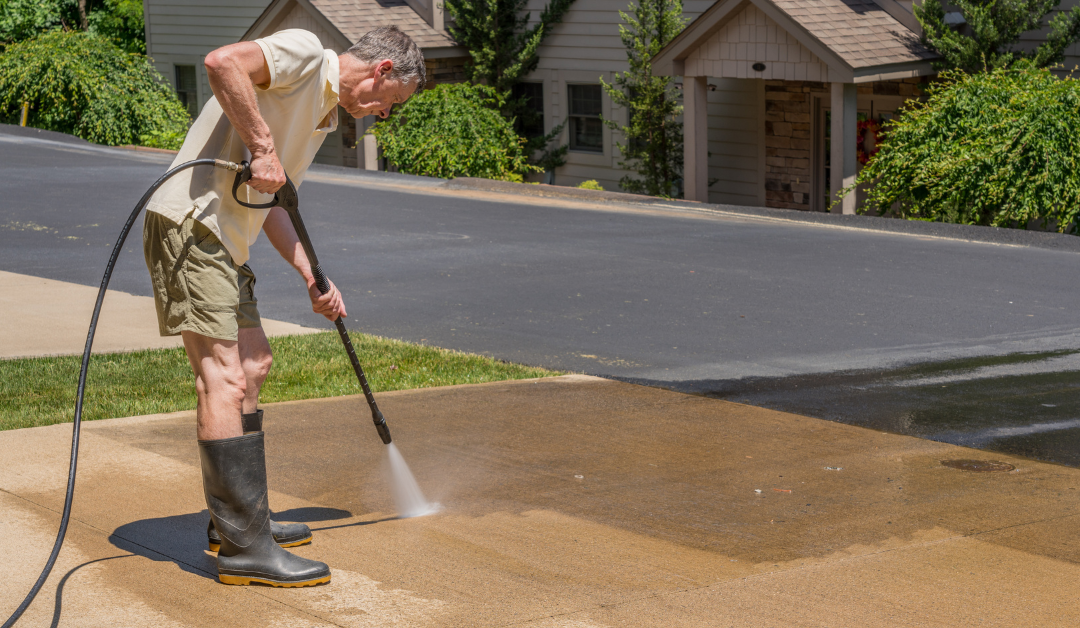
Concrete surfaces are built to last, but years of weather exposure, foot traffic, vehicles, and everyday use can eventually leave them looking worn. Driveways may develop discoloration or surface imperfections, patios can begin showing their age, and commercial walkways may lose the consistent appearance they once had. When the underlying slab remains in suitable condition, concrete resurfacing can provide an effective way to renew the existing surface without starting completely over.
Like any concrete project, preparation plays an important role in the finished result. Property owners can make the process easier by understanding what needs to happen before work begins and preparing the surrounding property accordingly.
Some preparation is handled by the concrete professionals completing the project, while other steps can be taken by the property owner. Clearing furniture, moving vehicles, planning alternate access routes, checking nearby landscaping, and understanding the project timeline can all help the work proceed smoothly.
If you are considering concrete resurfacing for your home or commercial property, here is what you should know about getting the area ready.
Start With an Evaluation of the Existing Concrete
Before preparing the surrounding property, the existing concrete itself needs to be evaluated. Resurfacing is designed to renew an existing slab, which means the condition of that slab matters.
Surface discoloration, minor wear, small imperfections, and an aging appearance may make a surface a good candidate. More significant structural concerns, extensive movement, or severely deteriorated areas may require a different approach.
A professional evaluation helps determine whether concrete resurfacing is appropriate for the particular surface. This is an important first step because resurfacing should be selected based on the actual condition of the concrete rather than appearance alone.
The evaluation also gives contractors an opportunity to identify cracks, drainage concerns, uneven areas, or other conditions that may need to be addressed as part of the preparation process.
Understand What Areas Will Be Affected
Once the project area has been established, take time to consider how the work will affect the rest of the property.
A driveway project may temporarily change where vehicles can be parked. Work near a commercial entrance may require an alternate pedestrian route. Patio work could mean relocating furniture, grills, planters, and other outdoor items for several days.
Planning for these changes ahead of concrete resurfacing makes the project much easier to manage.
Think beyond the concrete itself. Consider how contractors will access the work area, where equipment or materials may need to go, and which nearby spaces should remain clear. Making these decisions before the scheduled start date can prevent unnecessary interruptions once work begins.
Clear the Entire Work Area
One of the easiest ways property owners can prepare is by completely clearing the surface.
For patios, remove furniture, grills, planters, rugs, decorations, storage containers, and anything else sitting on the concrete. Driveways should be cleared of vehicles, trailers, basketball hoops, trash containers, and movable equipment. Commercial properties may need to temporarily relocate benches, signs, planters, or other items.
Giving the crew an unobstructed workspace allows concrete resurfacing preparation and application to proceed efficiently.
Do not limit clearing to obvious large objects. Smaller items around the perimeter should also be moved when possible. Contractors need enough room to work along edges and transitions, so creating extra space around the project area can be helpful.
Plan Where Vehicles Will Go
If the driveway or parking area is being resurfaced, make parking arrangements before the project begins.
Move vehicles out of garages if the resurfaced driveway will temporarily prevent access. Otherwise, a vehicle could remain inside until the surface is ready for traffic again.
Homeowners may be able to park elsewhere on the property or arrange temporary street parking where permitted. Commercial properties may need to notify employees or customers about temporary parking changes.
Concrete resurfacing requires time for application and curing, so the surface should not be treated as immediately available once the active work is finished. Ask about the anticipated timeline beforehand so you know when normal vehicle traffic can resume.
Create Alternate Walking Routes
Driveways are not the only surfaces that affect everyday access. Patios, sidewalks, entrances, and commercial walkways may be part of regular pedestrian routes.
Before work begins, determine whether people normally cross the project area to enter the home or building. If they do, identify another route that can be used temporarily.
For businesses, this planning is particularly important. Customers, employees, tenants, delivery drivers, and other visitors should have a clear way to reach the building without walking across the work area.
Planning alternate access before concrete resurfacing begins helps keep the work area undisturbed while allowing the rest of the property to continue functioning as normally as possible.
Pay Attention to Drainage
Water management affects nearly every exterior concrete surface. Before resurfacing, it is helpful to observe how water moves around the area, particularly after rainfall.
Look for places where water collects or consistently flows across the concrete. Check downspouts near the project area and make sure they are not directing large amounts of water onto the surface.
Standing water may indicate drainage or grading conditions that deserve attention before concrete resurfacing is completed.
This does not mean property owners need to redesign their drainage systems themselves. Instead, noticing and communicating these conditions gives the concrete professionals more information about how the property behaves during wet weather.
Proper drainage helps support the long-term performance of exterior concrete and should be considered as part of the overall project.
Check Nearby Landscaping
Landscaping contributes to the appearance of a property, but plants and soil located directly beside concrete can affect access to the project area.
Trim back plants, shrubs, or overhanging branches that extend significantly into the work zone. Move portable planters and garden decorations farther away.
You should also consider irrigation systems. Sprinklers should not spray onto freshly completed concrete resurfacing work before the surface is ready for moisture exposure.
If automatic sprinklers operate near the project area, adjust or temporarily disable the schedule as needed. This small preparation step can help keep the work area controlled during an important stage of the project.
Professional Surface Preparation Comes Next
Clearing the property is primarily the owner’s responsibility, but preparing the concrete itself is a professional part of the process.
The existing slab needs to provide an appropriate surface for the new material to bond correctly. Dirt, loose material, contaminants, and deteriorated surface material can interfere with adhesion if they are not properly addressed.
The exact preparation method depends on the condition of the existing slab and the resurfacing system being used.
This stage is one of the most important parts of concrete resurfacing because the new surface depends on the condition and preparation of the concrete underneath it. A clean, sound, properly prepared substrate creates the foundation for a successful finished project.
Existing Cracks Need to Be Evaluated
If your concrete already contains cracks, do not assume they can simply be covered by resurfacing material.
Cracks can develop for many reasons, including shrinkage, soil movement, moisture conditions, temperature changes, and normal aging. Their width, location, pattern, and condition provide useful information about the slab.
Before concrete resurfacing, contractors can evaluate existing cracks and determine how they should be addressed during preparation.
The goal is not simply to hide visible imperfections. Proper preparation considers the condition of the existing surface so that the resurfacing work is appropriate for the slab underneath.
Cleanliness Is Important
Outdoor concrete naturally accumulates dirt and debris. Driveways may have automotive residue, walkways collect soil and leaves, and patios can develop buildup from regular outdoor use.
Professional surface preparation addresses the cleanliness required for the resurfacing system being applied.
Property owners can help by removing personal belongings and keeping the area free from unnecessary debris before the crew arrives. Avoid placing new materials, chemicals, or coatings on the concrete shortly before the project unless specifically instructed to do so.
The cleaner and more accessible the work area is, the easier it becomes to complete the detailed preparation required for concrete resurfacing.
Watch the Weather Before the Project
Weather plays an important role in exterior concrete work. Temperature, precipitation, humidity, and other conditions can influence project timing and the performance of resurfacing materials.
Pennsylvania’s weather can change considerably throughout the year, so scheduling may require some flexibility.
Rain immediately before or during certain stages of concrete resurfacing may affect the work schedule. Temperature conditions can also influence application and curing.
Property owners generally do not need to make these technical decisions themselves. Experienced concrete professionals can determine whether conditions are appropriate. However, understanding that weather may affect the schedule makes it easier to plan around possible adjustments.
Keep Pets and Children Away From the Area
An active project area can naturally attract attention, especially when visible changes are happening quickly.
Make arrangements to keep children and pets away from the work zone during the project and throughout the recommended curing period. Even after workers leave for the day, the surface may not be ready for foot traffic.
Pets should have another route into the yard if they normally cross the affected surface.
Keeping the area undisturbed protects both the people using the property and the concrete resurfacing work while it progresses through the necessary stages.
Discuss Your Project Timeline in Advance
Ask about the expected timeline before work begins. The length of a project depends on several factors, including the size of the surface, its existing condition, preparation requirements, weather, and the resurfacing system being used.
Understanding the schedule helps you plan parking, building access, deliveries, outdoor activities, and other daily routines.
For commercial properties, advance planning can also help minimize disruptions to normal operations. Businesses may choose to communicate temporary access changes to employees or visitors ahead of time.
Concrete resurfacing is easier to accommodate when everyone who regularly uses the property knows what to expect.
Allow the Surface Time to Cure
The project is not necessarily finished from a usability standpoint the moment the final application is completed.
Resurfacing materials need appropriate time to cure before being exposed to normal traffic. Walking or driving on the surface too soon can interfere with the finished result.
Follow the contractor’s instructions regarding when foot traffic, furniture, vehicles, and other normal activities can resume.
The required timeframe may vary based on the materials, application, environmental conditions, and intended use of the surface. Giving concrete resurfacing the appropriate curing time is a simple but important part of protecting the completed work.
Plan Before Moving Furniture Back
Once the surface is ready for normal use, take the opportunity to think about how items will be returned to the area.
For patios, consider furniture placement and whether heavy objects can be moved without dragging them across the surface. For commercial spaces, reinstall benches, planters, signs, and other features carefully.
Driveway owners should follow recommendations about when vehicles can return to the surface.
Taking a little extra care immediately after concrete resurfacing helps preserve the clean, renewed appearance of the finished area.
Think About Long-Term Maintenance
Preparation does not end once the project is completed. Understanding how to care for the renewed surface can help maintain its appearance and performance.
Keep the concrete reasonably clean and monitor drainage around the property. Remove debris that may trap moisture, and periodically inspect the surface for changes.
Pay particular attention to water movement after heavy rainfall and during Pennsylvania’s winter weather. Downspouts and nearby landscaping should continue directing water appropriately.
Concrete resurfacing can refresh an aging surface, but ongoing maintenance remains an important part of caring for exterior concrete.
Preparing Commercial Properties
Commercial projects may require additional logistical planning because the work area is often used by many people throughout the day.
Business owners and property managers should consider employee access, customer entrances, delivery routes, parking, signage, and pedestrian traffic before work begins.
If the project affects a primary entrance or walkway, determine how visitors will be redirected. Communicating those changes in advance can help daily operations continue more smoothly.
Commercial concrete resurfacing preparation should balance the needs of the project with the normal functions of the property. Planning ahead gives contractors a clear workspace while helping employees and visitors understand temporary changes.
Communication Makes Preparation Easier
Every property is different. A small residential patio has different preparation needs than a large commercial walkway, and a driveway may require different access arrangements than an entrance.
Communication with the concrete contractor helps clarify which tasks should be completed before the scheduled project date.
Ask when vehicles or furniture should be removed, how much surrounding space needs to remain clear, how long access may be restricted, and when the finished surface can return to normal use.
Preparing for concrete resurfacing does not need to be complicated. Knowing what to expect and completing a few practical tasks beforehand can make the entire process more organized.
Successful Resurfacing
A successful resurfacing project begins before new material is applied. Evaluating the existing slab, clearing the work area, planning alternate access, checking drainage, managing nearby landscaping, and understanding the curing timeline all contribute to a smoother experience.
Professional surface preparation is equally important. The existing concrete must be carefully evaluated and prepared so the new surface has the foundation it needs to perform properly.
By preparing ahead of time, property owners can make concrete resurfacing easier to complete while helping protect the finished result. Whether the project involves a driveway, patio, walkway, commercial entrance, or another existing surface, thoughtful preparation creates the conditions for an efficient project and a renewed concrete surface that can be enjoyed for years.
Stay up to date with the latest at Austill Construction by liking us on Facebook