
Why Sidewalk Maintenance Matters
Sidewalks connect important parts of residential and commercial properties. They guide people to entrances, parking areas, gardens, patios, and other outdoor spaces. They also help people move safely and comfortably.
Concrete is a common choice for sidewalks because it is strong, durable, and easy to maintain. Still, outdoor concrete can wear down over time. Weather, moisture, shifting soil, tree roots, and daily foot traffic can affect its condition.
Regular checks help property owners spot changes early. Some issues only affect appearance. Others can affect the sidewalk’s stability, drainage, or ease of access.
Concrete sidewalk repair can help preserve an existing surface when repair is suitable. The first step is knowing which changes need attention.
Here are four common signs to watch for:
- Cracks that grow wider or become more noticeable
- Uneven or shifting sidewalk sections
- Pooling water or changes in drainage
- Flaking, scaling, or worn concrete surfaces
Sign #1: Cracks Are Getting Larger or More Noticeable
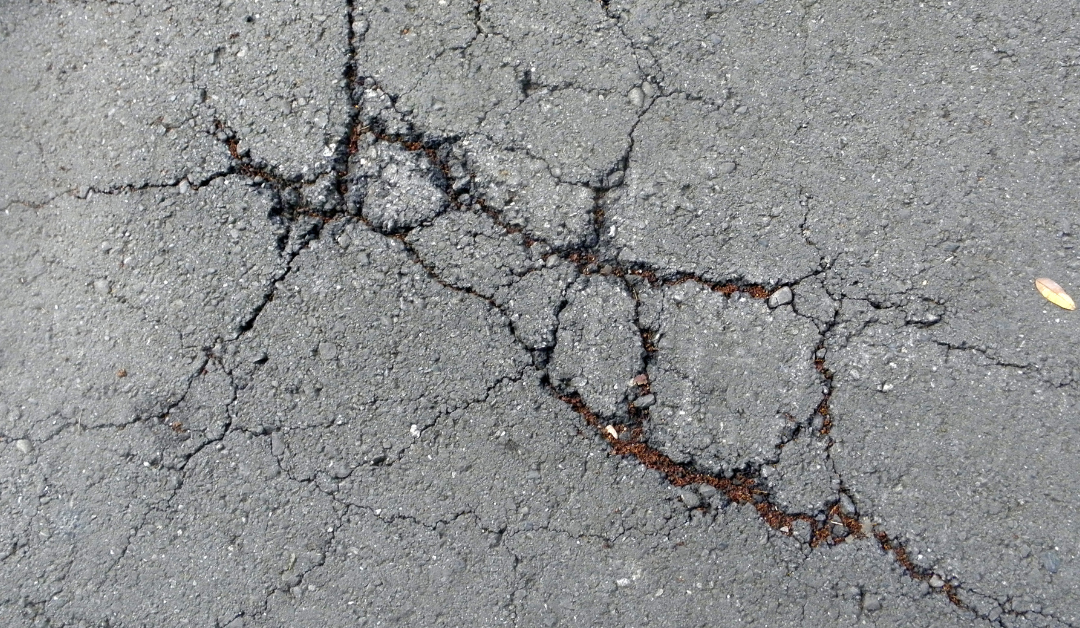
Cracks are one of the clearest signs of aging concrete. They can form as concrete shrinks, temperatures change, or the ground beneath a slab moves.
Not every crack points to a major problem. A small hairline crack may stay the same for years if the concrete around it remains stable.
However, cracks that widen, spread, or develop uneven edges need a closer look.
Why Sidewalk Cracks Form
Concrete expands and contracts slightly as temperatures change. During installation, contractors often add control joints. These planned grooves help guide shrinkage cracks into specific areas.
Control joints help manage cracking, but they cannot prevent every crack.
Other common causes include:
- Soil settling unevenly beneath the slab
- Tree roots pushing against the concrete
- Changes in soil moisture
- Drainage problems that affect ground support
Pennsylvania’s winter weather can add to the problem. Water may enter a crack and freeze. As it freezes, it expands and can put more pressure on the concrete.
When Cracks Need Attention
Concrete sidewalk repair may be needed when cracks:
- Become wider or longer
- Collect dirt and debris
- Allow noticeable water entry
- Create uneven edges between sections
- Keep changing over time
Take photos of the same area from time to time. Comparing them over several months can help you see whether a crack is stable or growing.
A concrete professional can check the crack and the surrounding slab. This helps determine whether a small concrete sidewalk repair is suitable or another solution is needed.
Why Early Crack Repair Helps
Repairing a crack while the surrounding concrete is still in good condition may offer more ways to save the existing surface.
The right repair depends on:
- The crack’s size and cause
- The slab’s condition
- Whether the concrete is still moving
A suitable concrete sidewalk repair can improve appearance and help keep water and debris out. However, ongoing soil movement or settlement may also need attention.
Sign #2: Sidewalk Sections Are Uneven or Shifting
A sidewalk should provide a fairly smooth, even walking surface. When nearby slabs sit at different heights, they can make the path harder to use.
These changes often happen slowly. One edge may rise, or a section may sink below the surrounding concrete.
Concrete sidewalk repair becomes especially important when these changes affect a busy walking route.
What Causes Uneven Sidewalks?
Several conditions can move the ground beneath concrete:
- Soil settlement: A slab may sink when the soil beneath it loses support.
- Water runoff: Water moving under the sidewalk can wash away supporting material.
- Moisture changes: Some soils expand or shrink as moisture levels change.
- Tree roots: Growing roots may push sections of concrete upward.
- Frost heave: Freezing ground can lift a slab and change its height.
Understanding the cause is an important part of choosing the type of concrete sidewalk repair.
Why Uneven Sidewalks Need Attention
Even small height changes can make a sidewalk less comfortable to use.
Uneven joints may create obstacles for people using:
- Wheelchairs
- Walkers
- Strollers
- Other mobility devices
Commercial sidewalks deserve close attention because many people use them each day.
Check areas near building entrances, accessible parking spaces, ramps, and busy walkways. Changes in these locations can affect important access routes.
Choosing the Right Repair
The best solution depends on why the sidewalk moved and whether the slab is still sound.
Some sections may be suitable for correction or repair. Others may need replacement, especially when they have:
- Widespread cracking
- Major surface damage
- Significant root interference
- Continued movement
An inspection should include the sidewalk, nearby landscaping, drainage, and soil. Addressing the cause can help the work last longer.
Sign #3: Water Is Pooling or Drainage Has Changed
Sidewalks face rain, melting snow, and moisture from nearby landscaping. They should allow water to drain rather than collect in low spots.
New puddles may point to settlement, changes in ground slope, or another drainage problem.
If water begins collecting where it did not before, the area needs a closer look.
Why Standing Water Matters
Water that stays on concrete increases moisture exposure.
During warmer months, standing water may cause stains or encourage organic buildup. In winter, it can freeze and create slippery conditions.
Water can also affect the soil beneath and around a slab. Depending on the soil and drainage, repeated moisture exposure may lead to:
- Erosion
- Settlement
- Ground movement
Concrete sidewalk repair may correct some surface problems. However, the source of the water should also be checked.
How to Spot Drainage Problems
Look at the sidewalk after rainfall. Watch for water that:
- Collects in the same spots
- Flows toward a building
- Remains after nearby areas have dried
- Gathers around cracks or uneven joints
Check nearby downspouts, landscaping, and connections to other paved surfaces.
Drainage can change when soil settles, landscaping is updated, or runoff starts following a new path.
These observations can help a concrete professional understand the problem.
Addressing Drainage During Repairs
A repair plan should consider where water will go after the work is complete.
Depending on the property, the work may include:
- Adjusting the ground slope
- Redirecting downspouts
- Correcting settled sidewalk sections
- Improving drainage around the concrete
The goal is a usable walking surface without unnecessary moisture exposure.
This matters in Pennsylvania, where rain, snow, and changing temperatures affect drainage throughout the year.
Sign #4: The Surface Is Flaking, Scaling, or Wearing Away
Concrete sidewalks can handle regular foot traffic and outdoor weather. Over time, though, the surface may begin to wear.
One common problem is scaling. This happens when small pieces of the top layer flake or break away.
At first, scaling may look like a small rough patch. The affected area may grow as more of the surface wears away.
What Causes Surface Scaling?
Several factors can damage the top layer of concrete:
- Repeated freezing and thawing
- Moisture entering the concrete
- Exposure to certain deicing chemicals
- Problems with the original concrete mix
- Finishing or curing conditions during installation
Concrete sidewalk repair may be suitable when damage is limited and the rest of the slab remains sound.
More widespread damage may call for a different solution.
When Surface Wear Is More Than Cosmetic
Minor discoloration or slight roughness does not always mean there is a major problem.
However, closer attention is needed when you notice:
- Deep scaling
- Loose pieces of concrete
- Exposed aggregate, such as stones within the concrete
- A surface that is becoming more uneven
- Surface damage combined with cracking or settlement
These changes can affect how comfortably people use the sidewalk.
A professional can determine whether the surface can be saved or whether replacing the damaged section would be a better long-term choice.
How Pennsylvania Weather Affects Sidewalks
Pennsylvania’s changing seasons expose concrete to a wide range of conditions.
Winter brings freezing temperatures, snow, ice, and periods of thawing. Spring often brings more rain. Summer adds heat and changing moisture levels.
Concrete responds to these changes. It expands and contracts slightly as temperatures rise and fall. Changes in soil moisture can also affect the support beneath a slab.
These conditions do not mean every sidewalk will develop serious damage. Proper installation and maintenance can help concrete perform well for many years.
Seasonal inspections help property owners spot concerns early. When repairs are needed, it is also important to consider the weather and ground conditions that may have caused the damage.
Concrete Sidewalk Repair or Replacement: Which Is Right?
Whether a sidewalk needs repair or replacement depends on the damage and its cause.
A small, stable crack needs a different approach than a slab that has shifted or broken apart. The same is true for a small worn patch compared with damage across the entire surface.
When Concrete Sidewalk Repair May Be Suitable
Repair may be an option when:
- Damage affects a limited area
- The slab remains stable
- The surrounding concrete is in good condition
- The existing surface is suitable for restoration
The goal is to preserve usable concrete while addressing the problem.
When Replacement May Be Better
Replacement may be more suitable when a slab has:
- Extensive cracking
- Significant movement
- Widespread surface damage
- Damage that affects its strength or stability
The best choice should support long-term performance, not just improve the surface’s appearance.
Why Proper Site Preparation Matters
The ground beneath a sidewalk matters whether the concrete is being repaired or replaced.
A stable base supports the slab and helps spread weight evenly. Poorly compacted soil, excess water, and erosion can lead to movement over time.
When replacement is needed, site preparation generally includes:
- Checking the existing ground slope
- Preparing the supporting layer beneath the concrete
- Providing firm, even support
- Planning how water will drain around the finished surface
These details are especially important near entrances, parking areas, retaining walls, and sloped ground.
How to Maintain Sidewalks After Repairs
Regular care helps protect a sidewalk after repairs are complete. It also makes new problems easier to spot.
Keep the Surface Clean
Remove leaves, dirt, and other debris. Buildup can hold moisture against the concrete and hide small cracks or worn areas.
A clean surface makes it easier to check for:
- New cracks
- Drainage changes
- Surface wear
- Uneven sections
Use Care During Winter
Clear snow promptly to help keep walking routes usable.
Follow appropriate guidance when choosing traction materials or deicing products. Product selection matters because some chemicals can contribute to surface damage.
Check After Winter and Heavy Rain
Inspect the sidewalk after winter and major rainfall.
These checks can reveal pooling water, new cracks, or changes in slab height. Concrete sidewalk repair works best when paired with regular care and attention to nearby conditions.
Why Commercial Sidewalk Maintenance Matters
Commercial sidewalks often carry more foot traffic than residential paths.
Office buildings, stores, schools, healthcare facilities, and other businesses may welcome many visitors each day.
Well-maintained sidewalks support comfortable access for:
- Employees
- Customers
- Delivery workers
- Visitors
Sidewalk condition can also affect accessibility. Routes serving accessible parking, entrances, and ramps must meet applicable accessibility requirements.
Changes in height, width, slope, or surface condition should be considered when evaluating these routes.
Professional repair or replacement can address identified problems while allowing the surrounding access route to be reviewed.
Planning for Long-Term Sidewalk Performance
Sidewalk maintenance involves more than fixing visible damage.
Drainage, soil, landscaping, and seasonal weather all affect how concrete performs over time.
To plan for long-term use:
- Consider nearby trees and possible root growth.
- Make sure downspouts direct water appropriately.
- Watch for landscaping that sends runoff toward the sidewalk.
- Check for small changes before they spread.
- Address the cause of damage when arranging repairs.
Regular checks can also help property owners plan improvements. This reduces the need to wait until several problems require attention at once.
Working With Experienced Concrete Professionals
A concrete sidewalk project involves more than the visible surface.
An experienced contractor can review:
- The condition of the existing slab
- Ground support and site preparation
- Drainage
- Surface finishing
- Applicable local requirements
Some properties may only need a small repair. Others may need individual sidewalk sections removed and replaced.
Austill Construction provides residential, commercial, and municipal concrete services throughout Berks County and surrounding areas. Its services include sidewalks and walkways.
Professional planning helps match the work to the property’s needs and supports a durable surface for regular use.
Final Thoughts
Cracks, uneven slabs, pooling water, and surface wear are four common signs that a sidewalk needs attention.
Spotting these changes early helps property owners understand the problem and choose a suitable solution.
Concrete sidewalk repair can preserve existing surfaces when the concrete is still in suitable condition. Replacement may be the better choice for more serious damage.
Regular inspections, good drainage, proper maintenance, and professional guidance all help keep sidewalks functional, attractive, and dependable.
Learn More or Get in Touch
For information about residential and commercial concrete sidewalk services in Berks County and surrounding areas, contact Austill Construction.
Stay up to date with Austill Construction by following the company on Facebook.