
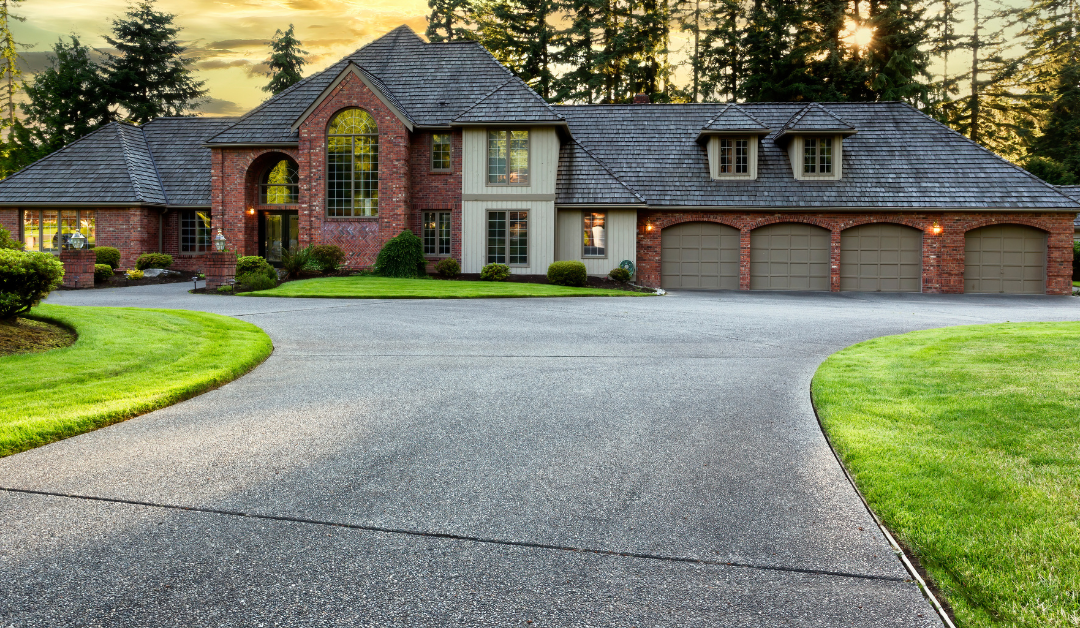
A concrete driveway is an important part of your home. It provides access to your garage, supports daily traffic, and adds to your home’s appearance.
Concrete is strong and durable. However, weather, moisture, shifting soil, and daily use can cause wear over time.
Routine care and small repairs can fix many driveway problems. But when damage becomes widespread, concrete driveway replacement may be the better long-term choice.
Knowing the difference between normal wear and serious damage can help you decide. Below, we explain the signs to watch for, when repairs make sense, and what to expect from replacement.
How Long Does a Concrete Driveway Last?
A well-installed and maintained concrete driveway can last 25 to 30 years or longer. Its lifespan depends on several factors:
- Installation quality
- Soil conditions
- Drainage
- Vehicle traffic
- Local weather
In Pennsylvania, driveways face rain, snow, and changing temperatures. Repeated freezing and thawing can affect concrete, especially when water enters cracks or collects around the slab.
Age alone does not mean a driveway needs replacement. Some older driveways remain strong. Newer ones may develop problems from shifting soil or poor drainage.
The driveway’s overall condition is a better guide when choosing between repairs and replacement.
5 Signs You May Need Concrete Driveway Replacement
Sign #1: Widespread Cracking
Cracks are common in concrete. Small hairline cracks may form as the surface ages. They do not always point to a serious problem.
However, cracks across several sections may signal deeper damage. Common causes include:
- Settling soil
- Temperature changes
- Moisture exposure
- Repeated vehicle loads
Small repairs may become less practical when cracks cross each other or sections begin to separate.
Consider concrete driveway replacement when cracks cover large areas or return after repairs. A professional can check whether repairs are still suitable or a new driveway would be more reliable.
Sign #2: Uneven or Sunken Sections
A driveway should provide a smooth, stable surface for walking and driving. Over time, sections may shift or sink as the ground below changes.
Common causes include:
- Soil erosion
- Poorly compacted soil
- Changes in soil moisture
- Natural settling
Sunken concrete can create uneven edges near your garage, sidewalks, or other driveway sections.
Replacement may make sense when settling affects large areas or causes serious damage to the slab.
Before pouring new concrete, the contractor should check and address the ground below. Proper site preparation helps create a stable base.
Sign #3: Major Surface Damage
Concrete changes in appearance as it ages. But widespread surface damage may mean the driveway is nearing the end of its useful life.
Scaling, flaking, and spalling describe damage where pieces of the surface break away. Possible causes include:
- Moisture exposure
- Repeated freezing and thawing
- Deicing chemicals
- Other weather-related wear
Minor surface wear may be repaired. Deeper damage across large areas can make repairs less practical.
When considering concrete driveway replacement, check whether the damage affects only the surface or reaches deeper into the slab.
Replacing badly damaged concrete creates a fresh, even surface. It also provides a chance to address problems that could affect its lifespan.
Sign #4: Ongoing Drainage Problems
Good drainage helps protect a driveway. Water should flow away from the surface and nearby buildings rather than collect in low spots.
Puddles that form after each rainfall may point to uneven concrete or too little slope.
Standing water keeps the surface wet for longer. This can lead to more wear, especially during freezing weather.
Some drainage problems can be fixed without replacing the entire driveway. However, replacement may help when major settling or a poor layout prevents water from draining.
Planning drainage before installation helps protect the new driveway and the surrounding property.
Sign #5: Repairs No Longer Last
Routine care and occasional repairs are normal. Fixing small cracks or isolated damage can help a driveway last for years.
However, frequent repairs in several areas may point to a larger problem.
Repeated patching can also leave an uneven appearance. Patches may not match the original concrete’s color or texture.
Concrete driveway replacement addresses widespread damage in one project instead of through ongoing patches.
Before deciding, consider:
- The overall condition of the slab
- What is causing the damage
- How well more repairs are likely to hold up
Repair or Replacement: Which Makes More Sense?
Not every damaged driveway needs to be replaced. The right choice depends on the concrete’s condition, not just its age or appearance.
When Repairs May Be Enough
Repairs may work when the concrete remains stable and damage affects only a few areas. Examples include:
- Small cracks
- Minor surface wear
- Other isolated problems
These issues may be addressed without removing the entire slab.
When Replacement May Be Better
Replacement may be more practical when the driveway has:
- Cracks across large areas
- Widespread surface damage
- Major settling
- Several problems that affect everyday use
A professional assessment can explain your options. It can also help you choose an approach that supports long-term use.
What Happens During Concrete Driveway Replacement?
Understanding the process helps you prepare for the project. Replacement generally includes the following stages.
Assess the Driveway and Plan the Layout
The contractor checks the existing concrete. They also review the driveway’s layout, size, and drainage needs.
Remove the Old Concrete and Prepare the Base
Once planning is complete, the old driveway is removed. Site preparation may include:
- Digging out the area
- Grading the ground to the proper slope
- Compacting the soil
- Adding suitable base materials
These steps create the support needed for the new concrete.
Set Forms and Place the Concrete
Forms establish the driveway’s shape and height. Reinforcement may be added based on the project’s needs.
The concrete is then placed and finished.
Allow Time for Curing
New concrete needs time to cure and gain strength before vehicles can use it.
Follow your contractor’s instructions during this stage. Proper curing helps protect the finished driveway.
Why Proper Installation Matters
A driveway’s lifespan depends on more than the concrete mix. Each part of installation affects how well it holds up.
Important steps include:
- Preparing a stable base
- Planning proper drainage
- Placing and finishing the concrete correctly
- Allowing proper curing time
- Planning for vehicle traffic and local weather
The ground below the driveway must provide even support.
Control joints also matter. These planned joints help manage shrinkage and guide cracks toward set locations.
Professional concrete driveway replacement considers these details. Proper installation helps homeowners get lasting value from a new driveway.
Planning for Pennsylvania Weather
Pennsylvania’s changing seasons affect outdoor concrete projects. Summer heat, spring rain, winter freezes, and changing moisture levels all play a role.
Contractors consider temperature and moisture when scheduling work. Both affect concrete placement and curing.
Planning ahead gives you time to discuss:
- Project scheduling
- Access to your property during the work
- The expected installation timeline
Proper installation and ongoing care help a driveway perform through Pennsylvania’s changing seasons.
How to Maintain Your New Driveway
After installation and proper curing, regular care helps protect your driveway’s appearance and strength.
Clean the Surface and Check Drainage
Remove dirt, leaves, and other debris regularly. Check that water continues to flow away from the driveway rather than collect on it.
Follow Winter Care Guidelines
Remove snow promptly and choose deicing products carefully.
Follow your contractor’s advice about suitable products, especially during the driveway’s first winter.
Inspect for Changes
Check the driveway from time to time for changes in:
- Cracks
- Joints
- Drainage
- Surface texture
Regular checks make maintenance needs easier to spot. These simple habits can help support years of reliable use after concrete driveway replacement.
The Long-Term Benefits of a New Driveway
A new driveway offers more than a better appearance. It can also provide:
- More consistent vehicle access
- Smoother transitions between nearby surfaces
- A cleaner, more organized entrance to your home
Concrete driveway replacement also gives you a chance to review the layout. Depending on available space and applicable requirements, you may consider changes to:
- Driveway width
- Parking arrangements
- Garage access
Concrete driveway replacement can be a worthwhile investment when repairs no longer provide the results you need.
With proper installation and care, a new driveway can serve your home for decades.
How to Know When It Is Time for a Concrete Driveway Replacement
Look at the driveway’s overall condition rather than its age alone. Key signs include:
- Widespread cracking
- Uneven or sunken sections
- Major surface damage
- Ongoing drainage problems
- Repairs that no longer last
Minor issues can often be handled with maintenance or small repairs. More serious damage may call for replacement.
Concrete driveway replacement offers a chance to fix existing problems, improve everyday use, and create a durable surface that suits your property.
Working with experienced concrete professionals helps you understand your options. Careful planning and proper installation support long-term performance and value.
Stay up to date with the latest from Austill Construction by liking us on Facebook.