
Why Accessibility Matters
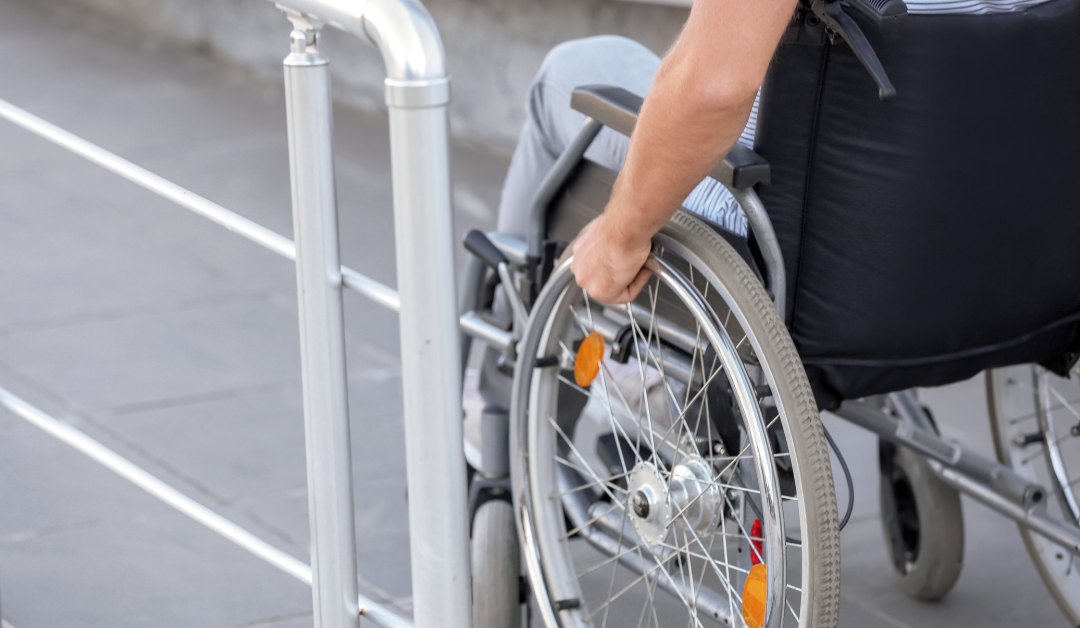
Accessibility is about creating environments that can be used by as many people as possible. Individuals who use wheelchairs, walkers, canes, mobility scooters, or other assistive devices rely on accessible pathways to navigate buildings safely.
An ADA compliant concrete ramp helps eliminate barriers that might otherwise limit access to a property. These ramps create smoother transitions between elevations and allow visitors, employees, customers, and residents to enter buildings more comfortably.
Accessible design benefits more than individuals with mobility challenges. Parents with strollers, delivery personnel, maintenance staff, and visitors carrying heavy items also benefit from properly designed ramps.
10 Key Design Features
1. Proper Ramp Slope
One of the most important design features of an ADA compliant concrete ramp is the slope. The slope determines how steep the ramp is and directly affects ease of use.
If a ramp is too steep, users may struggle to navigate it safely. A properly designed ramp uses a gradual incline that allows individuals to travel comfortably while maintaining control of their mobility equipment.
Careful slope calculations are completed during planning and construction to ensure the ramp provides safe access while meeting accessibility requirements. The goal is to create a path that feels natural and manageable for a wide range of users.
2. Adequate Ramp Width
Width plays a major role in the functionality of an ADA compliant concrete ramp. Users need enough space to travel comfortably without feeling restricted.
A wider ramp improves maneuverability and allows mobility devices to move safely along the pathway. It also creates a more comfortable experience for individuals who may need assistance while using the ramp.
Proper width contributes to overall accessibility and helps ensure the ramp remains practical for everyday use.
3. Stable and Durable Construction
Long-term reliability begins with proper construction. An ADA compliant concrete ramp must provide a stable and dependable surface that remains functional through years of use and changing weather conditions.
Concrete is widely used because it offers strength, durability, and longevity. When installed correctly, concrete provides a solid surface that resists movement and supports consistent performance over time.
Proper site preparation, grading, reinforcement, and finishing all contribute to the durability of the finished ramp.
4. Level Landing Areas
Landings are flat sections located at the top, bottom, and sometimes along the length of a ramp. These areas provide important transition points that improve usability and safety.
A landing allows users to pause, adjust direction, or prepare to enter a doorway. Without adequate landing space, navigating a ramp can become significantly more difficult.
Every ADA compliant concrete ramp incorporates appropriately sized landing areas to support safe movement and provide additional stability during use.
5. Smooth Transitions Between Surfaces
Accessibility extends beyond the ramp itself. The areas connecting to the ramp must also be designed carefully to eliminate unnecessary obstacles.
An ADA compliant concrete ramp should transition smoothly into adjacent sidewalks, parking areas, and building entrances. Abrupt changes in elevation can create challenges for wheelchair users and others relying on mobility devices.
Creating seamless connections between surfaces improves usability and supports a more comfortable travel experience.
6. Surface Texture and Traction
Traction is essential for maintaining safety in all weather conditions. A ramp must provide enough grip to reduce slipping while remaining comfortable for users traveling across the surface.
Most concrete ramps utilize a broom finish or similar texture to create consistent traction. This finish helps users maintain stability during both dry and wet conditions.
A properly textured ADA compliant concrete ramp supports safe movement without creating excessive resistance for wheelchairs or other mobility equipment.
7. Effective Drainage Design
Water management is another critical component of ramp performance. Standing water can create slippery conditions and accelerate surface wear over time.
Proper grading and drainage help direct water away from the ramp surface. Effective drainage protects both the concrete and the people using it.
When designing an ADA compliant concrete ramp, drainage considerations are incorporated into the overall layout to help maintain safety and long-term durability.
8. Edge Protection Features
Edge protection helps prevent wheels from accidentally leaving the ramp surface. This feature is especially important for wheelchair users who rely on clearly defined pathways.
Curbs, barriers, or other edge protection systems help guide movement while providing an additional level of security. These features reduce the likelihood of accidental departures from the travel path.
Including edge protection enhances the overall safety of an ADA compliant concrete ramp and contributes to a more predictable user experience.
9. Handrails When Required
Depending on ramp dimensions and rise, handrails may be required to provide additional support and stability.
Handrails help users maintain balance and offer assistance while traveling up or down the ramp. They also improve confidence for individuals who benefit from extra support during movement.
When included as part of an ADA compliant concrete ramp, handrails are positioned and installed to maximize accessibility and usability.
10. Reinforcement for Long-Term Stability
Concrete ramps experience regular use and must withstand environmental stresses throughout the year. Reinforcement materials such as rebar or wire mesh help improve structural strength and reduce the likelihood of cracking.
Reinforcement contributes to the long-term stability of an ADA compliant concrete ramp by helping distribute loads and maintain surface integrity over time.
This added durability supports consistent performance while minimizing maintenance concerns.
Careful Site Planning
Successful ramp construction begins long before concrete is poured. Site planning helps determine the best location, layout, slope, and drainage strategy for the project.
Every property presents unique conditions that influence design decisions. Elevation changes, available space, existing walkways, and building entrances all affect the planning process.
Thoughtful planning helps ensure that an ADA compliant concrete ramp integrates naturally into the property while providing safe and efficient access.
Supporting Everyday Accessibility
The true value of accessibility features becomes evident through daily use. A well-designed ramp allows individuals to enter and exit buildings confidently while reducing physical barriers.
An ADA compliant concrete ramp serves as a dependable access point that supports independence and convenience. By providing a predictable and comfortable pathway, the ramp contributes to a more welcoming environment for everyone who visits the property.
This everyday functionality highlights the importance of proper design and construction.
Long-Term Benefits for Property Owners
Accessibility improvements offer lasting benefits beyond regulatory compliance. They improve usability, support visitor convenience, and contribute to a positive experience for everyone using the property.
An ADA compliant concrete ramp also demonstrates a commitment to accessibility and inclusion. For businesses and organizations, this can help create a more welcoming environment while supporting broader accessibility goals.
Because concrete offers durability and longevity, these benefits can continue for many years with proper maintenance.
Thoughtful Designs
Accessibility begins with thoughtful design, and ramps play a critical role in creating safe and functional building entrances. Features such as proper slope, adequate width, level landings, surface traction, drainage, reinforcement, and smooth transitions all contribute to the performance of an ADA compliant concrete ramp.
When these elements are carefully planned and constructed, the result is a durable, reliable, and accessible pathway that serves users comfortably and safely. By focusing on these key design features, property owners can create entrances that support long-term accessibility while maintaining the strength and durability expected from quality concrete construction.
Stay up to date with the latest at Austill Construction by liking us on Facebook