
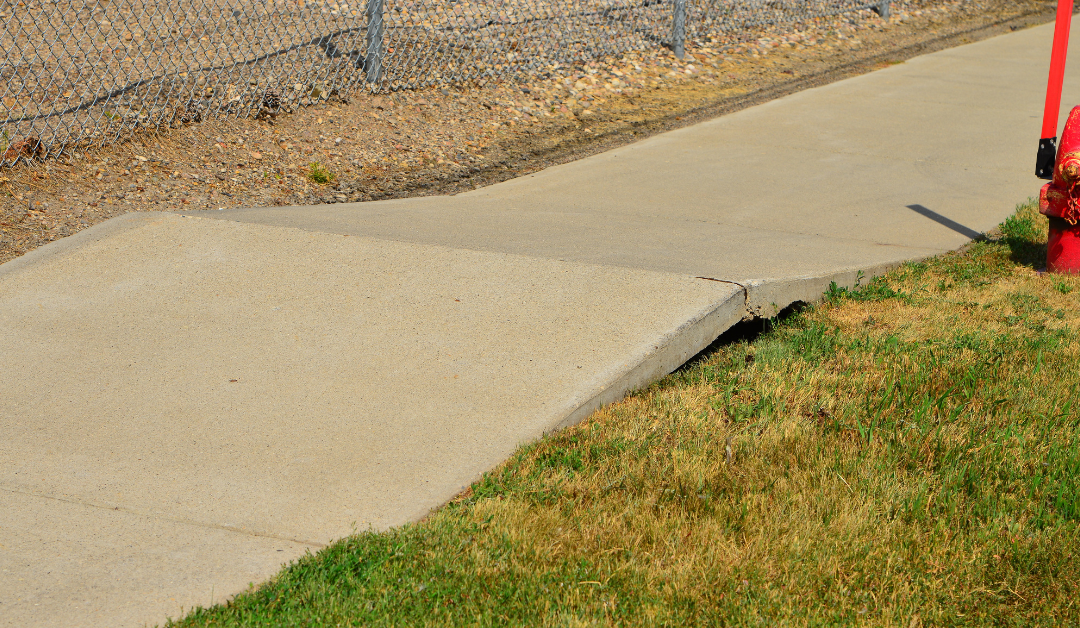
Concrete surfaces are designed to provide years of dependable use, but they can still experience changes as the surrounding environment shifts. Driveways, sidewalks, patios, steps, and other exterior surfaces are supported by the ground beneath them, which means soil conditions, moisture, drainage, and seasonal weather can all influence how a slab behaves over time.
One change property owners may notice is concrete lifting, where one section of a surface becomes higher than the area beside it. The difference may initially be subtle, such as a slightly raised joint or edge, but it is worth paying attention to how the surface changes over time.
Fortunately, noticing movement does not mean you need to immediately assume that an entire concrete surface must be replaced. The first priority is understanding what has changed and why. By evaluating the surrounding area and getting the right information, property owners can determine the most appropriate solution for the surface.
Here are five practical steps to take when you notice changes in your concrete.
Step 1: Take a Closer Look at the Area
The first step is simply to examine the surface carefully. Concrete naturally develops some changes as it ages, and understanding exactly what you are seeing can help determine whether additional evaluation is necessary.
Look at where the raised area begins and ends. Determine whether the change occurs along a joint, near the edge of the slab, or across a larger portion of the surface. You can also compare the affected section with surrounding concrete to determine how noticeable the elevation difference has become.
Concrete lifting can appear in several ways. One slab may sit slightly higher than the next, an edge may begin rising, or a previously smooth transition between surfaces may become uneven.
It can also be helpful to take photographs of the area. Photos provide a simple way to compare the surface several weeks or months later and determine whether movement is continuing.
The goal at this stage is not to diagnose the problem yourself. Instead, you are gathering information about what has changed and where the movement is occurring.
Step 2: Check How Water Moves Around the Concrete
Once you have identified the affected area, take a look at drainage conditions around the property. Water and soil conditions are closely connected, and both can influence concrete movement.
After rainfall, observe where water travels. Ideally, water should move away from concrete surfaces rather than collecting beside or underneath them.
Look for areas where downspouts release water near the slab, landscaping directs runoff toward concrete, or low areas allow water to pool. You may also notice soil erosion around the edges of a driveway, sidewalk, or patio.
When evaluating concrete lifting, drainage provides useful information because changing moisture levels beneath a slab can affect the soil supporting it.
Good drainage is important for all exterior concrete, regardless of whether movement is currently visible. Directing water appropriately helps maintain more consistent soil conditions and supports long-term surface stability.
Step 3: Consider Seasonal and Soil Conditions
The ground beneath concrete is constantly responding to environmental conditions. Soil can expand, contract, settle, and shift as moisture levels and temperatures change throughout the year.
Pennsylvania’s seasonal climate makes this particularly important. Properties experience periods of heavy rain, summer heat, freezing temperatures, snow, and repeated freeze and thaw cycles.
During cold weather, moisture in certain soils can freeze and expand. This process may place upward pressure on a slab. When temperatures rise again, the ground thaws and conditions change once more.
Concrete lifting may sometimes be connected to these seasonal soil movements. The type of soil, amount of moisture present, drainage around the slab, and depth of freezing can all influence how the ground behaves.
This is why evaluating the environment surrounding the concrete is just as important as examining the surface itself.
Step 4: Keep the Area Safe While You Determine the Cause
An uneven concrete surface can affect how people move around a property. Even relatively small elevation differences may create awkward transitions along frequently used walking routes.
If concrete lifting occurs along a sidewalk, entrance, patio, or other pedestrian area, keep the location visible and make sure people using the property can navigate it carefully while you determine the next steps.
This consideration becomes especially important for commercial properties, where employees, customers, tenants, delivery personnel, and other visitors may use exterior walkways throughout the day.
Avoid attempting quick surface modifications without first understanding why the movement occurred. Simply changing the visible portion of the concrete may not address the conditions that caused the slab to move.
A careful evaluation provides better information for determining a lasting solution.
Step 5: Have the Concrete Professionally Evaluated
Once you have observed the surface and surrounding conditions, a professional evaluation can help identify the most appropriate next step.
Concrete professionals can look at the amount and pattern of movement, drainage conditions, surrounding soil, cracks, joints, and overall condition of the slab.
The appropriate response to concrete lifting depends on the cause and severity of the movement. In some cases, an individual area may be addressed without replacing a larger surface. In other situations, more extensive corrective work may provide better long-term results.
A professional assessment helps distinguish between normal surface aging and movement that should receive additional attention. It also provides an opportunity to consider whether drainage or other surrounding conditions should be addressed as part of the project.
What Causes Concrete to Lift?
Understanding some of the common causes of movement can make changes in a concrete surface easier to recognize.
Soil movement is one potential factor. Certain soils expand when they absorb moisture and contract when they dry. If these changes occur unevenly beneath a slab, the concrete above may move.
Freezing conditions can also contribute. When moisture in the ground freezes, it expands. In certain circumstances, this can create upward pressure beneath concrete, a process often associated with frost heave.
Tree roots may also influence nearby concrete as they grow and expand beneath or around a slab. Drainage problems can contribute by changing soil moisture levels or causing erosion.
Because several different conditions can lead to concrete lifting, identifying the cause is important before determining how the surface should be addressed.
Why Drainage Deserves Special Attention
Drainage is one of the most important factors affecting exterior concrete.
Water that repeatedly collects around a slab can influence the soil supporting it. In some areas, excess moisture may contribute to expansion. In others, moving water may gradually carry soil away and create areas with less support.
Gutters and downspouts should direct water away from concrete whenever possible. Landscaping should also be graded so runoff does not consistently flow toward the slab.
Properties on slopes require additional attention because water naturally travels downhill and may concentrate around certain surfaces.
Addressing drainage does more than respond to an existing problem. Good water management can also help create more stable conditions around concrete throughout the year.
Watch for Changes in Nearby Concrete
When one section of concrete moves, take a few minutes to inspect surrounding areas as well.
Look at nearby joints, edges, cracks, and transitions. Check whether adjacent slabs remain level or whether similar movement appears elsewhere on the property.
For example, concrete lifting on one portion of a sidewalk may be isolated, or it may be part of a broader pattern caused by soil or drainage conditions affecting several slabs.
Observing the surrounding area provides additional context and can make a professional evaluation more informative.
You should also look at nearby structures and landscaping features. Retaining walls, trees, drainage systems, slopes, and building foundations can all provide clues about how water and soil behave around the property.
Pay Attention to Cracks and Joints
Cracks and joints can provide useful information about concrete movement.
Control joints are intentionally incorporated into concrete surfaces to help manage natural shrinkage and movement. When slabs shift, differences in elevation may become particularly noticeable along these joints.
Cracks may also change as the slab moves. A crack that was previously narrow may become wider, or one side may begin sitting higher than the other.
When concrete lifting occurs alongside noticeable cracking, documenting both conditions can help professionals understand how the slab has been moving.
Not every crack indicates a major concern, but changes in existing cracks are worth monitoring along with the overall elevation of the surface.
Why Timing Matters
It is generally beneficial to evaluate concrete changes sooner rather than waiting until movement becomes more noticeable.
Early evaluation provides an opportunity to understand the cause while the affected area may still be relatively limited. It can also reveal drainage conditions or other contributing factors that can be addressed before they continue influencing the surface.
Seasonal timing matters as well. Movement that becomes noticeable after winter may be related to freezing conditions, while changes following periods of heavy rainfall may point toward moisture or drainage factors.
Monitoring concrete lifting throughout different seasons can provide valuable information about when and why movement occurs.
Residential and Commercial Surfaces Can Both Be Affected
Concrete movement is not limited to one type of property. Residential driveways, patios, sidewalks, and walkways can experience changes, as can commercial entrances, parking areas, pedestrian paths, and other exterior surfaces.
On residential properties, uneven concrete can affect everyday convenience and the appearance of outdoor areas.
On commercial properties, pedestrian traffic may make surface consistency especially important. Businesses often have employees, customers, tenants, and visitors using exterior walkways every day.
Concrete lifting should therefore be evaluated based on both the physical condition of the slab and how the area is used.
Maintaining Concrete After the Issue Is Addressed
Once the cause of movement has been evaluated and appropriate work completed, routine maintenance can help support the surface moving forward.
Keep the area clean so cracks, joints, and surface changes remain easy to see. Periodically check drainage after heavy rainfall and confirm that downspouts continue directing water away from the concrete.
Inspecting the surface seasonally can also help you notice new changes early.
Concrete lifting may result from conditions that develop gradually, so continued observation is one of the simplest ways to stay informed about the condition of your concrete.
Building a Long-Term Maintenance Plan
Exterior concrete does not require complicated maintenance, but consistent attention can make a meaningful difference over its lifespan.
Consider checking concrete surfaces at least a few times throughout the year, particularly after winter and periods of significant rainfall. Look for cracks, uneven sections, drainage changes, surface wear, and movement around joints.
Maintaining surrounding landscaping can also help. Keep drainage routes clear and pay attention to trees or large plants growing close to concrete surfaces.
If concrete lifting or another noticeable change develops, having it evaluated provides the information needed to make a thoughtful decision rather than relying on guesswork.
Easier to Manage
Changes in concrete surfaces are easier to manage when property owners know what to look for and how to respond. A raised slab or uneven joint does not automatically tell you why movement occurred, which is why observing the surface and surrounding conditions is an important first step.
When you notice concrete lifting, examine the affected area, check drainage, consider seasonal soil conditions, keep the area safe, and arrange for a professional evaluation when appropriate. These steps can help identify the source of the movement and determine the best way to address it.
Concrete is designed for long-term durability, and thoughtful maintenance helps protect that performance. By paying attention to changes as they develop, property owners can keep driveways, sidewalks, patios, walkways, and other concrete surfaces functional and dependable for years to come.
Stay up to date with the latest at Austill Construction by liking us on Facebook