
Concrete is one of the most durable construction materials available, making it an excellent choice for driveways, patios, sidewalks, steps, and other outdoor surfaces. Even so, every concrete surface is exposed to changing weather conditions throughout the year. Sunlight, rain, fluctuating temperatures, and regular use all contribute to the natural aging process of concrete.
As winter approaches, small cracks that seemed insignificant during warmer months can become more vulnerable to seasonal conditions. Moisture, freezing temperatures, and repeated freeze and thaw cycles all interact with existing cracks in ways that may increase surface wear over time. For this reason, many property owners choose to schedule concrete crack repair before colder weather arrives.
Addressing cracks before winter is not simply about improving appearance. It also helps prepare concrete surfaces for the months ahead by reducing opportunities for water intrusion and supporting the long-term durability of the concrete.
Why Concrete Changes Throughout the Year
Concrete naturally expands and contracts as temperatures change. During warmer months, the material expands slightly, while colder temperatures cause it to contract. These movements are expected and are considered part of the normal behavior of concrete.
Over time, this constant cycle of expansion and contraction may contribute to small surface cracks. In addition to temperature changes, moisture, soil movement, and everyday traffic also influence how concrete ages.
Most cracks develop gradually rather than appearing all at once. Understanding how seasonal conditions affect concrete helps explain why fall is often an ideal time to consider concrete crack repair.
What Happens When Moisture Enters Cracks
One of the primary concerns before winter is moisture. Rain, melting leaves, and early snowfall can allow water to collect inside even small surface openings.
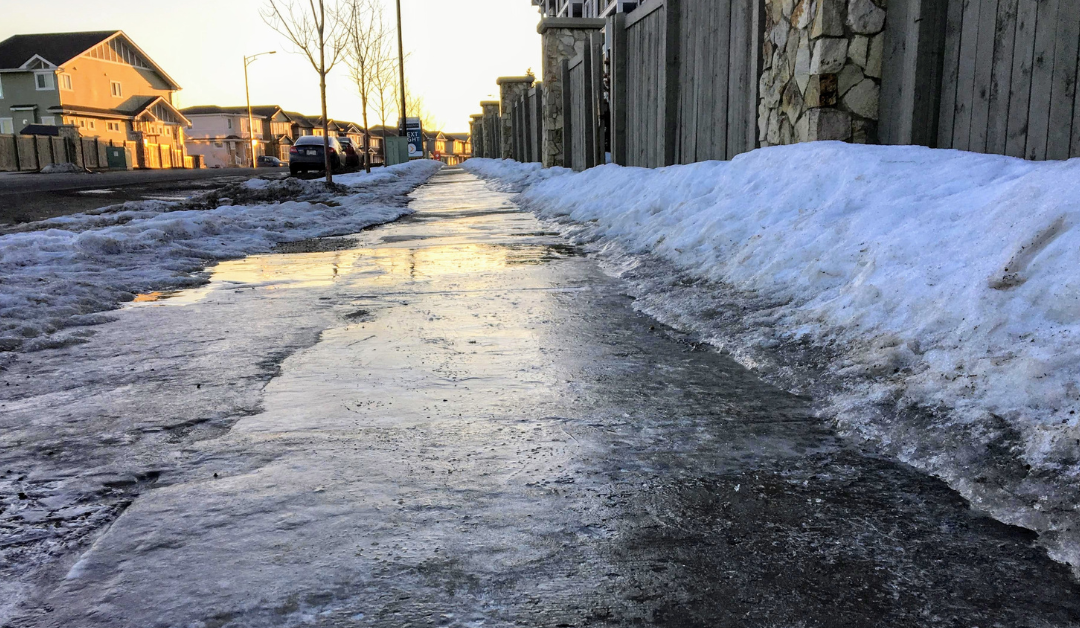
Once moisture enters a crack, it becomes part of the seasonal freeze and thaw process. As temperatures fall below freezing, the trapped water expands as it turns to ice. This expansion places additional pressure on the surrounding concrete.
When temperatures warm again, the ice melts and the cycle repeats. Throughout the winter, this process may occur many times depending on local weather conditions.
Concrete crack repair helps reduce moisture intrusion by sealing existing cracks before repeated freezing conditions begin.
Understanding Freeze and Thaw Cycles
In Pennsylvania and many other northern climates, freeze and thaw cycles are one of the most common environmental factors affecting outdoor concrete.
Rather than remaining frozen throughout the season, temperatures often fluctuate above and below freezing multiple times. Each change allows moisture to freeze, expand, thaw, and move within the concrete surface.
This repeated movement places stress on existing cracks and can gradually increase their size over time. While not every crack becomes significantly larger during one winter, reducing moisture exposure before the season begins helps support the long-term condition of the concrete.
Scheduling concrete crack repair before winter helps prepare surfaces for these seasonal conditions.
Small Cracks Can Change Over Time
Hairline cracks are common in concrete and are not always a cause for concern. However, small cracks should still be monitored regularly because they may change gradually over time.
Environmental conditions often influence whether a crack remains stable or slowly expands. Water infiltration, temperature changes, and ongoing traffic all contribute to the natural aging process.
Repairing small cracks before winter allows homeowners to address existing openings while they are still relatively manageable.
Rather than waiting until spring to evaluate changes after months of freezing temperatures, many property owners prefer taking a proactive approach through concrete crack repair before cold weather arrives.
Protecting the Overall Surface
Cracks affect more than the individual areas where they appear. Moisture entering one portion of the slab can influence nearby sections of concrete as well.
Over time, repeated water exposure may contribute to surface scaling, discoloration, or additional cracking in surrounding areas. Although these changes occur gradually, preventing unnecessary moisture infiltration supports the condition of the entire slab.
Concrete crack repair helps preserve the overall surface by reducing one of the primary pathways through which water enters the concrete.
Why Fall Is an Ideal Time for Repairs
Many exterior maintenance projects are scheduled during spring and summer, but fall offers several advantages for concrete work.
Moderate temperatures often provide favorable conditions for repair materials while avoiding the extreme heat of summer or the freezing conditions of winter.
Completing concrete crack repair during the fall also gives homeowners peace of mind knowing their concrete is better prepared before snow, ice, and freezing temperatures become routine.
Waiting until winter may limit repair options depending on weather conditions, making earlier scheduling a practical choice.
Improving Surface Appearance
Although structural protection is often the primary goal, repairing cracks also improves the appearance of outdoor concrete.
Visible cracks can make otherwise attractive driveways, patios, and sidewalks appear older than they actually are. Addressing these imperfections helps restore a cleaner and more uniform surface.
Concrete crack repair contributes to improved curb appeal while also supporting long-term maintenance goals.
Because repaired surfaces often blend more consistently with surrounding concrete, homeowners benefit from both functional and aesthetic improvements.
Supporting Long-Term Durability
Concrete is designed to provide decades of reliable performance when properly maintained. Like many building materials, however, routine maintenance helps maximize its lifespan.
Addressing cracks before winter is one example of preventive maintenance that supports long-term durability.
Concrete crack repair helps reduce unnecessary stress caused by seasonal moisture while preserving the integrity of the existing surface. Combined with routine cleaning, drainage management, and periodic inspections, repairs become part of an overall maintenance strategy that keeps concrete performing well.
The Importance of Proper Drainage
Drainage plays an important role in protecting outdoor concrete throughout every season.
Water should move away from driveways, patios, sidewalks, and steps rather than collecting near or on the concrete surface. Standing water increases the amount of moisture available to enter existing cracks.
Property owners should periodically inspect gutters, downspouts, grading, and nearby landscaping to ensure water is being directed away from concrete surfaces.
When combined with concrete crack repair, proper drainage helps reduce unnecessary moisture exposure throughout the year.
Preparing Different Concrete Surfaces for Winter
Winter affects nearly every outdoor concrete surface. While driveways often receive the most attention because of vehicle traffic, patios, sidewalks, steps, and walkways also experience seasonal stress.
Each of these surfaces benefits from regular inspections before winter begins.
Checking for cracks, drainage concerns, uneven areas, or surface wear allows homeowners to identify maintenance opportunities before freezing temperatures arrive.
Concrete crack repair helps prepare all types of concrete surfaces for changing seasonal conditions.
Routine Inspections Make a Difference
One of the simplest ways to maintain outdoor concrete is through regular inspections.
Walking around the property each season allows homeowners to notice small changes before they become more noticeable. Looking for widening cracks, pooling water, surface scaling, or uneven sections provides valuable information about the condition of the concrete.
These routine observations make it easier to determine when maintenance or repairs may be appropriate.
Scheduling concrete crack repair promptly after identifying new cracks helps keep maintenance manageable.
Professional Evaluation Provides Valuable Insight
While many cracks are minor, others may benefit from professional evaluation.
The size, location, pattern, and depth of a crack all help determine the most appropriate repair approach. A professional inspection also considers factors such as drainage, soil movement, and overall slab condition.
Concrete crack repair is most effective when it addresses both the visible crack and any contributing factors that may influence future performance.
Having the surface evaluated before winter helps property owners make informed maintenance decisions before seasonal weather becomes more challenging.
Winter Maintenance After Repairs
Repairing cracks before winter is only one part of protecting concrete during colder months.
Homeowners can further support their concrete by removing snow promptly, avoiding unnecessary accumulation of standing water, and using products that are appropriate for concrete surfaces when addressing winter weather.
Keeping drainage paths clear throughout the season also helps minimize moisture exposure.
These simple maintenance practices work together with concrete crack repair to support long-term surface performance.
Planning Ahead for Spring
One advantage of completing repairs before winter is that homeowners enter spring with concrete that has already received attention.
Rather than discovering larger cracks after months of freeze and thaw cycles, repaired surfaces are generally better prepared for seasonal transitions.
Spring maintenance can then focus on routine cleaning, inspections, and general upkeep rather than addressing preventable issues that developed over the winter.
Planning ahead often leads to more consistent maintenance throughout the life of the concrete.
Seasonal Weather & Concrete
Seasonal weather has a significant influence on outdoor concrete, particularly in regions that experience repeated freeze and thaw cycles. Moisture entering existing cracks can place additional stress on concrete as temperatures fluctuate throughout the winter.
Scheduling concrete crack repair before winter helps reduce water infiltration, supports long-term durability, improves appearance, and prepares concrete surfaces for seasonal conditions. Combined with proper drainage, routine inspections, and regular maintenance, timely repairs help homeowners protect their driveways, patios, sidewalks, and other concrete surfaces for years to come.
Stay up to date with the latest at Austill Construction by liking us on Facebook