
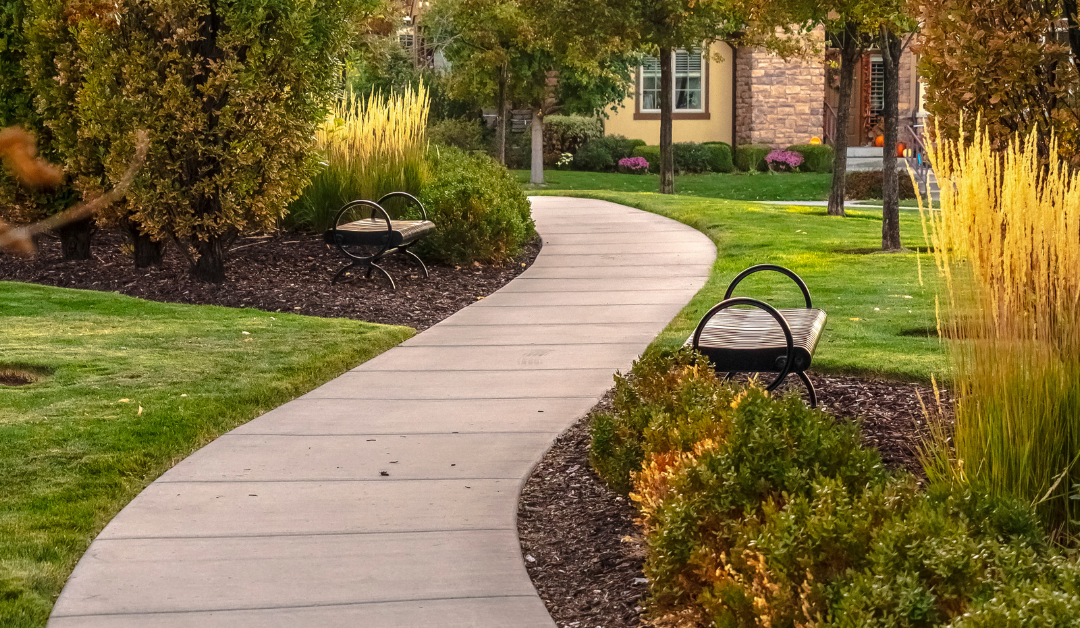
Pennsylvania experiences a little bit of everything when it comes to weather. Hot and humid summer days can give way to heavy rain, while winter brings freezing temperatures, snow, ice, and frequent changes between freezing and thawing conditions. For outdoor construction materials, these seasonal shifts make durability and proper installation especially important.
Understanding concrete vs cement can help property owners better understand why certain materials are used for driveways, patios, walkways, steps, ramps, and other exterior projects. Although the terms are sometimes used interchangeably, concrete and cement are not the same material. Cement is an ingredient used to make concrete, while concrete is the finished building material commonly used for outdoor surfaces.
That distinction becomes particularly important when considering how construction materials respond to Pennsylvania’s changing climate. Concrete is designed to combine strength, durability, and weather resistance, making it well suited for exterior applications when it is properly mixed, installed, cured, and maintained.
Understanding the Difference Between Concrete and Cement
Before looking at weather performance, it helps to understand how the two materials are related. Cement is a fine binding powder typically made from materials such as limestone and clay. When water is added, a chemical reaction called hydration begins, causing the cement to harden.
Concrete is created by combining cement with water and aggregates such as sand, gravel, or crushed stone. The cement paste coats and binds these aggregates together, eventually forming the solid material used throughout residential and commercial construction.
This composition is central to the concrete vs cement discussion. Cement provides the binding properties, but the complete concrete mixture provides the strength and stability needed for larger exterior surfaces.
Aggregate is particularly important because it gives concrete additional structure and helps reduce some of the shrinkage that would occur if cement paste were used by itself.
Why Pennsylvania Weather Matters for Concrete
Outdoor concrete in Pennsylvania experiences a wide range of environmental conditions within a single year. Temperatures may rise considerably during summer and fall well below freezing during winter. Spring and fall can bring frequent rainfall along with significant temperature changes from one day to the next.
Concrete is designed to perform under these changing conditions, but proper construction practices make a significant difference in how well it handles them.
When considering concrete vs cement for exterior construction, concrete provides the complete system necessary for surfaces that must withstand weather, foot traffic, vehicles, and everyday use. Its combination of cement paste and aggregate allows it to perform reliably through seasonal changes.
How Concrete Handles Pennsylvania Winters
Winter is one of the most important seasons to consider when discussing exterior concrete in Pennsylvania. Snow and ice are only part of the equation. Temperature fluctuations throughout the season also influence how concrete performs.
Concrete naturally expands and contracts slightly as temperatures change. Properly designed joints help accommodate this natural movement and encourage the slab to respond predictably.
Moisture is another important consideration. Concrete contains small pores that may allow some water to enter the surface. Proper mix design, curing, drainage, and maintenance help limit the effects of this moisture.
The difference between concrete vs cement becomes especially relevant during winter because concrete is engineered as a composite material capable of handling environmental conditions that cement paste alone would not be suited to withstand.
Freeze and Thaw Cycles
Pennsylvania winters frequently include freeze and thaw cycles. Temperatures may drop below freezing overnight before rising again during the day. These repeated changes can occur many times throughout the winter.
When moisture enters concrete and freezes, it expands. As temperatures rise, the ice melts. Repeated freezing and thawing can create stress within concrete over time, particularly if the surface absorbs significant amounts of moisture.
Quality concrete mixtures can be designed with these conditions in mind. Proper finishing and curing also contribute to long-term performance.
Understanding concrete vs cement helps explain why a properly designed concrete mixture is important in climates where freeze and thaw cycles are common.
The Importance of Air-Entrainment in Cold Climates
One method used to improve concrete’s performance in climates with freezing conditions is air entrainment. Air-entrained concrete contains microscopic air bubbles intentionally incorporated into the mixture.
These tiny spaces provide room for freezing water to expand, helping relieve internal pressure within the concrete. Air entrainment is commonly used for exterior concrete exposed to freezing and thawing conditions.
This is an excellent example of how concrete can be designed for specific environmental demands. The mixture is more than simply cement and water. Its proportions and additional components can be adjusted based on how and where the finished surface will be used.
Snow, Ice, and Moisture Exposure
Snow accumulation itself is generally manageable for a properly installed concrete surface. The greater consideration is what happens when snow melts and water moves across or into the surface.
Good drainage helps melted snow move away from driveways, patios, steps, and walkways instead of remaining in low areas. Maintaining proper drainage around concrete can help limit unnecessary moisture exposure throughout winter.
In the concrete vs cement comparison, concrete offers the durability and structure needed for these exterior environments. Cement remains an essential ingredient, but it works as part of the larger concrete mixture rather than serving as the finished outdoor surface.
Spring Rain and Drainage
When winter ends, Pennsylvania often transitions into a wet spring. Frequent rainfall can test drainage systems around homes and commercial properties and have varying effects on concrete vs cement.
Water that consistently collects around concrete may contribute to soil movement beneath the slab. If soil erodes or becomes less supportive, sections of concrete may eventually settle or shift.
This is why drainage and site preparation are important parts of concrete construction. Before concrete is placed, the area should be graded and prepared to support both the slab and proper water movement.
Weather performance begins below the finished surface. A durable concrete slab depends on a stable base just as much as it depends on the quality of the concrete itself.
How Concrete Performs During Summer Heat
Pennsylvania summers can bring high temperatures, direct sunlight, and significant humidity. While these conditions are very different from winter weather, concrete is designed to handle seasonal temperature changes.
As temperatures increase, concrete expands slightly. Properly planned joints provide space for this natural movement and help control where cracking may occur.
Concrete also absorbs heat from sunlight, particularly on exposed surfaces such as driveways and walkways. This does not generally affect the functionality of properly installed concrete, but weather conditions during installation can influence curing.
Looking at concrete vs cement from a summer perspective again highlights the importance of concrete as a complete construction material. Its mixture is designed to provide stability through both hot and cold conditions.
Weather During Concrete Installation
Pennsylvania weather matters not only after a project is complete but also while concrete is being installed.
Temperature, humidity, wind, and precipitation can influence how quickly concrete loses moisture and how the curing process progresses. Proper curing allows cement within the concrete mixture to continue hydrating so the slab develops its intended strength.
During hot conditions, concrete may lose moisture more quickly. During cold conditions, the hydration process slows. Contractors account for these variables when planning concrete work.
The goal is to provide suitable conditions for the material to develop strength gradually and consistently.
Why Curing Matters in Every Season
Curing is one of the most important stages of concrete construction. Concrete does not simply dry and become strong. Instead, cement reacts chemically with water through hydration, gradually binding the mixture together.
Maintaining appropriate moisture and temperature conditions during this process supports strength and durability.
This process is another reason understanding concrete vs cement is useful. Cement creates the chemical binding action, while concrete is the complete mixture whose final performance depends on that reaction occurring properly.
Good curing practices give a new concrete surface a strong foundation for handling Pennsylvania’s future seasonal changes.
The Role of Proper Base Preparation
Weather can also affect the soil beneath concrete. Heavy rainfall may saturate soil, while extended dry periods can change moisture levels. Freezing conditions can affect certain soils as well. All of these factors can affect concrete vs cement differently.
A properly prepared base helps create consistent support beneath the concrete. The site may need excavation, grading, compaction, and suitable base materials before concrete placement begins.
These preparation steps help reduce uneven movement and support long-term stability.
When discussing concrete vs cement in real-world construction, the performance of concrete depends on more than its ingredients. Proper site preparation and installation practices are equally important to the finished project.
Maintaining Concrete Through Pennsylvania’s Seasons
Routine maintenance helps outdoor concrete continue performing well throughout Pennsylvania’s changing seasons.
Property owners can periodically inspect surfaces for cracks, monitor drainage, remove debris, and keep gutters or downspouts from directing large amounts of water toward concrete. During winter, prompt snow removal can help reduce prolonged moisture exposure.
Sealing may also be appropriate for certain concrete surfaces. A suitable sealer can help reduce water absorption and protect against stains and environmental exposure.
These relatively simple maintenance habits help preserve concrete without requiring constant attention.
Concrete for Driveways, Patios, and Walkways
Different concrete surfaces experience different types of use. Driveways must support vehicle loads, while patios primarily handle foot traffic, furniture, and outdoor living activities. Walkways and steps need dependable traction and consistent surfaces for pedestrian movement.
Despite these different uses, all exterior concrete in Pennsylvania must respond to the same seasonal environment.
The concrete vs cement distinction helps property owners understand why concrete is used for these finished surfaces. Aggregate, cement, water, proper proportions, and professional installation work together to create a material capable of handling both everyday use and environmental exposure.
Weather Resistance Starts With Good Construction
There is no single feature that determines whether an exterior concrete surface will perform well. Long-term durability comes from several factors working together.
The mixture must be appropriate for the application. The base must provide reliable support. Drainage should move water appropriately. The concrete must be placed and finished correctly, and adequate curing must occur before the surface is subjected to normal use.
Maintenance then helps preserve those results over time.
Understanding concrete vs cement provides useful background, but the quality of the complete construction process ultimately determines how effectively a surface responds to Pennsylvania weather.
Long-Term Performance in a Four-Season Climate
Pennsylvania’s climate gives property owners the opportunity to experience outdoor spaces in every season. It also means exterior construction materials must be prepared for a broad range of conditions.
Concrete is well suited to these demands because it combines the binding characteristics of cement with the structural benefits of aggregates. Properly designed concrete can withstand regular traffic, precipitation, temperature fluctuations, and seasonal changes while providing a stable surface for many years.
The comparison of concrete vs cement is therefore less about choosing one material over the other and more about understanding how they work together. Cement is necessary to make concrete, but concrete is the durable finished material used for most exterior construction projects.
Shifting Weather
Pennsylvania weather can shift considerably throughout the year, from summer heat and spring rainfall to winter snow and repeated freezing temperatures. Outdoor surfaces need to be designed and installed with these changing conditions in mind.
Understanding concrete vs cement makes it easier to see why concrete is so widely used for driveways, patios, walkways, steps, ramps, and other exterior surfaces. Cement provides the binding properties that allow concrete to harden, while aggregates and other components give the finished mixture the strength and durability required for real-world use.
With proper site preparation, an appropriate concrete mixture, careful installation, adequate curing, good drainage, and routine maintenance, concrete can provide dependable performance throughout Pennsylvania’s four seasons for many years.
Learn More or Get in Touch
For more information about professional concrete services in Berks County and surrounding areas:
Stay up to date with the latest at Austill Construction by liking us on Facebook