
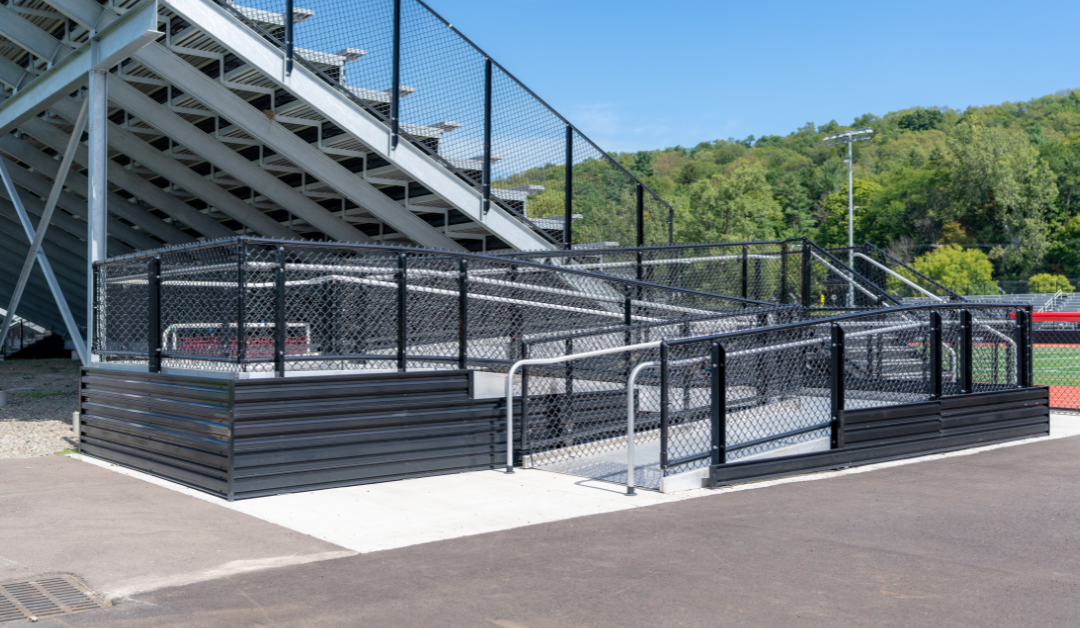
Accessibility is a fundamental part of modern construction and property design. Buildings, walkways, and entrances must accommodate people with a wide range of mobility needs. Ramps play an important role in providing safe and convenient access, particularly for individuals who use wheelchairs, walkers, or other mobility aids. When properly designed and built, ADA compliant concrete ramps help create entrances that are both functional and inclusive.
Understanding what makes these ramps accessible and safe requires looking at several factors, including slope, surface texture, landings, structural stability, and proper construction methods. Each of these elements works together to create a reliable access point that supports everyday use.
The Importance of Accessibility in Building Design
Accessible entrances allow people to move safely and independently through commercial, public, and residential environments. Ramps provide an alternative to stairs and help ensure that buildings remain usable for everyone.
Well-designed ADA compliant concrete ramps support this goal by providing a smooth and gradual transition between different elevations. Instead of forcing users to navigate abrupt height changes, ramps create a predictable and comfortable path of travel.
Accessibility improvements also contribute to overall safety. A properly constructed ramp benefits not only individuals with mobility devices but also parents with strollers, delivery workers, and visitors carrying heavy items.
Understanding Slope Requirements
One of the most important factors in ramp accessibility is slope. The incline must be gradual enough to allow individuals to travel safely without excessive effort or instability.
Guidelines generally recommend a slope ratio of one inch of rise for every twelve inches of run. This gradual incline helps users move comfortably while maintaining control of their mobility equipment.
When constructing ADA compliant concrete ramps, maintaining consistent slope measurements is essential. Even small variations in slope can affect how easy a ramp is to use. Careful planning and measurement during construction ensure the finished ramp provides a smooth and manageable incline.
The Role of Landing Areas
Landings are flat sections located at the top, bottom, and sometimes along the length of a ramp. These areas provide important resting and transition points for individuals using mobility devices.
A landing allows users to pause safely, change direction if necessary, and approach doorways with greater stability. Without proper landings, ramps can become difficult to navigate, especially when turning or stopping is required.
Well-designed ADA compliant concrete ramps include sufficient landing space to support safe movement. These areas also help accommodate doors that swing outward, preventing obstructions that could block the ramp path.
Surface Texture and Traction
Surface texture is another key element in ramp safety. Concrete ramps must provide enough traction to prevent slipping, especially during wet or icy conditions.
A broom finish is commonly used for concrete surfaces because it creates a lightly textured surface that improves grip without making the ramp uncomfortable to travel across. This texture helps users maintain stability when walking or rolling along the ramp.
The durability of concrete also plays a role. ADA compliant concrete ramps are built to withstand regular exposure to weather and foot traffic while maintaining consistent traction over time.
Proper Width for Comfortable Access
Ramp width directly affects usability. Adequate width allows individuals to move comfortably and provides enough space for mobility equipment to pass through without difficulty.
A wider ramp also improves safety by giving users room to maintain balance and adjust direction when needed. In busy areas, extra width can allow multiple people to use the ramp without congestion.
When designing ADA compliant concrete ramps, width requirements are carefully considered to ensure accessibility while maintaining efficient use of available space.
Edge Protection and Safety Features
Edge protection helps prevent wheels from slipping off the sides of a ramp. This feature is particularly important for wheelchair users, as even a small drop-off could create a hazardous situation.
Edge barriers, curbs, or railings help guide movement along the ramp and provide additional security. These elements support safe travel by clearly defining the ramp path and preventing accidental departures from the surface.
Including edge protection in ADA compliant concrete ramps helps create a more secure and predictable travel route.
Structural Stability and Base Preparation
Accessibility features must also be structurally reliable. A ramp that shifts, cracks, or settles unevenly can quickly become unsafe.
Proper site preparation plays a major role in ramp performance. Soil must be compacted and graded correctly to support the concrete slab and prevent future movement.
Reinforcement within the concrete also contributes to long-term durability. When built with attention to base preparation and structural stability, ADA compliant concrete ramps remain level and dependable through years of use.
Drainage and Water Management
Water management is another factor that influences ramp safety. Standing water can create slippery conditions and increase surface wear over time.
Good drainage ensures that rainwater flows away from the ramp surface rather than collecting in low areas. Proper grading and drainage planning help maintain traction and protect the concrete from unnecessary moisture exposure.
Thoughtful drainage design helps ADA compliant concrete ramps remain safe and usable in a variety of weather conditions.
Connection to Walkways and Entrances
A ramp must connect smoothly with surrounding walkways, parking areas, and building entrances. Abrupt transitions between surfaces can create obstacles for wheelchair users and others with mobility limitations.
Careful planning ensures that surfaces align properly and that the ramp integrates naturally with nearby pathways. Smooth transitions help users move from one area to another without encountering unexpected barriers.
Well-integrated ADA compliant concrete ramps create a seamless path that supports safe travel from the surrounding environment to the building entrance.
Long-Term Durability and Maintenance
Concrete is widely used for ramps because of its durability and strength. With proper installation and maintenance, concrete ramps can remain reliable for decades.
Routine cleaning helps remove debris that may affect traction. Periodic inspections ensure that small surface changes are addressed before they develop into larger concerns.
Maintaining ADA compliant concrete ramps allows them to continue providing safe access while preserving the overall condition of the surface.
Planning for Accessibility from the Beginning
Accessibility works best when it is incorporated into the design process early. Planning ramp placement, slope, and surrounding pathways in advance helps ensure that the final result meets accessibility goals.
By considering user needs, building layout, and environmental conditions, designers and contractors can create ramps that function effectively from day one.
Careful planning allows ADA compliant concrete ramps to serve as dependable access points that support both safety and usability.
Final Thoughts
Accessible design improves how people interact with buildings and public spaces. Ramps provide an essential pathway for individuals who rely on mobility aids or benefit from gradual elevation changes.
By focusing on slope, landings, traction, width, structural stability, and drainage, well-designed ADA compliant concrete ramps provide a safe and practical solution for accessible entrances. When built with careful attention to detail, these ramps support long-term accessibility while maintaining the durability expected from concrete construction.
Stay up to date with the latest at Austill Construction by liking us on Facebook