
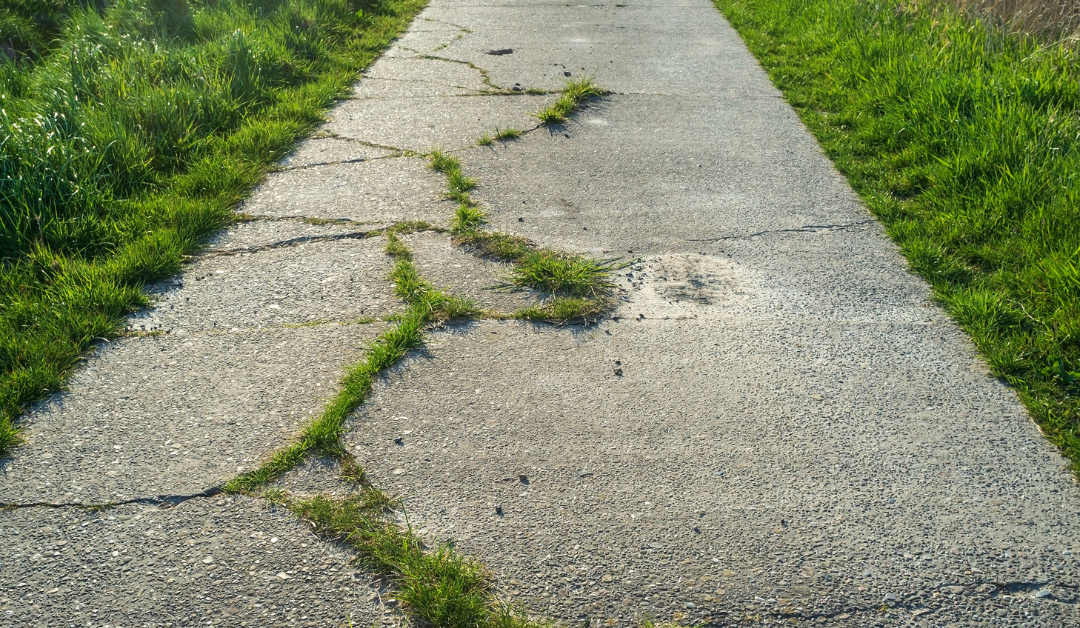
Concrete is one of the most widely used construction materials because of its strength, durability, and versatility. It is commonly used for driveways, patios, sidewalks, steps, and many other surfaces that must withstand years of daily use and environmental exposure. Despite its durability, concrete can develop cracks over time. Understanding why these cracks form is an important step in determining when concrete crack repair may be necessary.
Cracks in concrete are not always a sign of major structural problems. In many cases they are a natural result of environmental conditions, material behavior, or long-term surface wear. By recognizing the factors that contribute to cracking, property owners can better understand how surfaces age and how proper maintenance supports long-term performance.
Natural Expansion and Contraction
Concrete naturally expands and contracts as temperatures change. Warm weather causes concrete to expand slightly, while colder temperatures cause it to contract. These movements are small but occur repeatedly throughout the life of the surface.
Over time, the stress created by these temperature fluctuations can lead to small cracks forming in the slab. This is a normal part of the material’s behavior. When cracks develop due to expansion and contraction, concrete crack repair can help restore the surface and prevent moisture from entering the openings.
Temperature-related movement is one of the most common reasons concrete surfaces experience minor cracking.
Moisture and Water Exposure
Moisture plays a major role in how concrete performs over time. Rain, snow, and groundwater all affect the soil beneath concrete surfaces as well as the slab itself. When water enters small cracks or pores in concrete, it can contribute to further expansion and pressure within the material.
During colder months, moisture that enters the surface may freeze and expand. This expansion increases internal stress and can widen existing cracks. In situations where water infiltration contributes to surface wear, concrete crack repair helps seal openings and limit additional moisture exposure.
Proper drainage and surface sealing can also help reduce the impact of water on concrete.
Soil Movement Beneath the Surface
The soil beneath a concrete slab provides the foundation that supports its weight. When that soil shifts, settles, or erodes, the slab may experience uneven pressure.
Soil movement can occur for several reasons. Natural settling happens over time as the ground gradually compacts. Heavy rainfall or poor drainage may wash away small amounts of soil beneath the slab. Seasonal moisture changes can also cause soil to expand or shrink.
When these changes affect support beneath the concrete, cracks may appear in areas where the slab experiences stress. In these situations, concrete crack repair can address surface openings while the underlying conditions are evaluated.
Improper Base Preparation
Concrete relies on a stable base for long-term performance. Before pouring concrete, the ground should be properly graded and compacted to create a consistent foundation.
If the base is not prepared correctly, the slab may settle unevenly after installation. Uneven settlement places stress on certain areas of the concrete and can lead to cracking.
When cracks occur because of base instability, concrete crack repair may help restore the surface once the underlying support issues have been corrected.
Proper base preparation is one of the most important steps in preventing premature cracking.
Shrinkage During the Curing Process
Concrete begins to cure and harden shortly after it is poured. During this curing process, the material gradually loses moisture and shrinks slightly. This shrinkage is a normal part of the chemical reaction that allows concrete to gain strength.
However, if the surface dries too quickly or curing conditions are not ideal, shrinkage cracks may appear. These cracks are typically small and shallow but can become more noticeable over time.
When shrinkage cracks develop, concrete crack repair may be used to fill and seal the openings, helping preserve the appearance and integrity of the surface.
Heavy Loads and Surface Stress
Concrete is designed to handle substantial weight, but repeated heavy loads can still create stress on certain areas of a slab. Driveways, walkways, and other surfaces may experience concentrated weight in specific locations.
Parking heavy vehicles in the same spot repeatedly or placing equipment near slab edges can contribute to surface stress. Over time, this pressure may cause cracks to develop where the concrete experiences the greatest strain.
In cases where load stress contributes to cracking, concrete crack repair helps maintain the surface while reducing the risk of further deterioration.
Control Joints and Planned Cracking
Many concrete surfaces include control joints, which are intentional lines placed in the slab to guide where cracking occurs. These joints allow concrete to expand and contract in controlled locations rather than developing random cracks across the surface.
Control joints do not eliminate cracking entirely. Instead, they direct the natural movement of concrete to specific areas where it is less noticeable and easier to manage.
When cracks occur outside of these joints, concrete crack repair may be used to restore the appearance and protect the surface from moisture intrusion.
Environmental Wear Over Time
Concrete surfaces are constantly exposed to environmental elements. Sunlight, rainfall, temperature shifts, and seasonal changes all contribute to gradual wear.
Over the years, this exposure can weaken certain areas of the surface and lead to small cracks. These changes are often cosmetic at first but can expand if moisture and debris enter the openings.
Addressing these issues early through concrete crack repair helps maintain the overall condition of the slab and supports long-term durability.
The Importance of Early Attention
Small cracks may not seem significant at first, but addressing them early helps prevent additional damage. When cracks remain open, water and debris can enter the surface and contribute to further expansion.
Early concrete crack repair allows surfaces to remain sealed and protected. This approach supports long-term maintenance and helps extend the lifespan of the concrete.
Regular inspections of concrete surfaces can make it easier to identify changes before they become larger concerns.
Maintenance and Prevention
Although cracking cannot always be completely avoided, proper maintenance helps reduce the likelihood of serious damage. Routine cleaning, sealing, and drainage improvements all contribute to better surface performance.
Maintaining a concrete surface after concrete crack repair also helps prevent recurring problems. Sealing the surface, managing water flow, and avoiding excessive loads in one area can support long-term durability.
Preventive care is one of the most effective ways to protect concrete investments.
Protecting Surfaces
Concrete is a durable and reliable material, but it naturally responds to environmental conditions and long-term use. Temperature changes, moisture, soil movement, and surface stress all contribute to the development of cracks over time.
Understanding these factors makes it easier to recognize when concrete crack repair may be beneficial. Addressing cracks early helps protect the surface from further wear and supports the long-term stability of concrete structures.
With proper maintenance and timely attention, concrete surfaces can continue to perform reliably for many years.
Stay up to date with the latest at Austill Construction by liking us on Facebook