
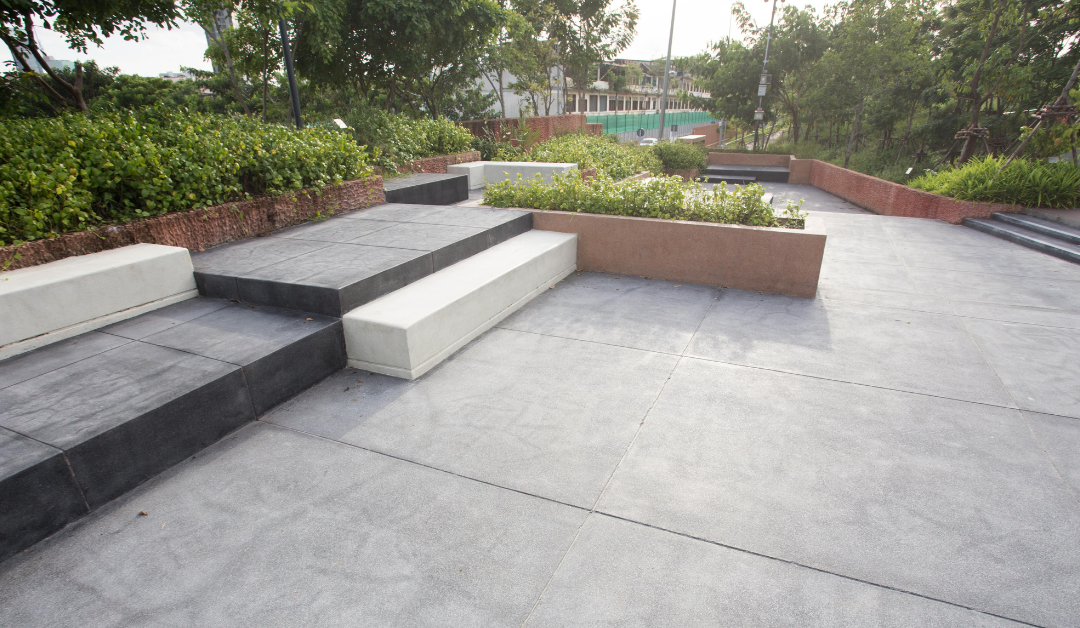
Outdoor living spaces are designed to be durable, functional, and easy to maintain. Over time, exposure to weather, foot traffic, and seasonal changes can lead to visible surface wear. Knowing how to evaluate that wear is essential when deciding the best way to preserve both appearance and performance. For homeowners weighing their options, understanding when to repair or resurface a concrete patio helps ensure the surface continues to serve its purpose without unnecessary work or expense.
Concrete is built to last, but no surface remains unchanged forever. The key is recognizing which types of wear are normal, which ones require attention, and which solutions provide the most practical long-term results.
Understanding How Surface Wear Develops
Concrete naturally responds to environmental conditions. Temperature changes cause expansion and contraction, while moisture moves in and out of the slab throughout the year. These natural processes contribute to gradual surface changes that are common in exterior concrete.
A concrete patio may develop light cracking, surface discoloration, or minor texture changes after years of exposure. These signs do not automatically indicate a problem. In many cases, they reflect normal aging rather than failure. The decision to repair or resurface depends on how widespread the wear is and whether the underlying slab remains stable.
Understanding the difference between surface-level wear and structural issues helps guide the right course of action.
When Repair Is the Most Practical Option
Repair is best suited for localized issues that affect small portions of the surface. This approach focuses on correcting specific problem areas while preserving the rest of the slab.
Repair is often appropriate when a concrete patio shows:
- Small, isolated cracks that are not widening
- Minor chipping or edge wear
- Localized surface flaking
- Separation at control joints
- Limited wear in high-traffic zones
These conditions can usually be addressed through crack filling, patching, or joint repair. When handled early, repairs help prevent moisture intrusion and reduce the likelihood of further surface deterioration.
Targeted repairs are effective because they address the specific cause of wear without altering the entire surface.
Benefits of Choosing Repair
Repair offers several advantages when surface wear is limited. It is typically quicker to complete, involves less surface preparation, and allows the rest of the slab to remain untouched.
For a concrete patio that is largely in good condition, repair helps maintain continuity while correcting problem areas. This approach is especially useful when the majority of the surface remains level, smooth, and structurally sound.
Repair also allows homeowners to manage maintenance gradually, addressing issues as they appear rather than committing to a full surface renewal too early.
What Resurfacing Involves
Resurfacing is a more comprehensive solution designed to renew the surface layer of concrete without removing the slab beneath it. This process involves applying a bonded overlay that creates a new, uniform surface across the entire area.
Resurfacing is most effective when the slab is structurally stable but shows consistent surface wear. For a concrete patio with widespread discoloration, fine cracking, or texture inconsistencies, resurfacing provides a refreshed appearance and improved surface performance.
Because resurfacing treats the entire surface, it creates a cohesive finish rather than addressing individual areas one at a time.
When Resurfacing Becomes the Better Choice
Resurfacing is often the better option when wear is evenly distributed or affects a large portion of the surface. This method is intended to restore visual consistency and improve usability rather than correct isolated defects.
Resurfacing may be appropriate when a concrete patio has:
- Multiple hairline cracks across the surface
- General surface roughness or scaling
- Faded or uneven coloration
- Worn texture from years of use
- Patchwork appearance from prior spot repairs
In these situations, repairing individual areas may result in uneven appearance or ongoing maintenance. Resurfacing addresses the surface as a whole, creating a more balanced and durable result.
Comparing Repair and Resurfacing Outcomes
Repair and resurfacing serve different purposes, even though both aim to extend the life of concrete. Repair targets specific defects, while resurfacing renews the surface layer entirely.
For a concrete patio with isolated wear, repair provides a practical and efficient solution. When wear is widespread, resurfacing offers longer-term consistency and improved surface performance.
Choosing the right option helps avoid unnecessary work and ensures that maintenance efforts align with the actual condition of the surface.
Evaluating the Structural Condition First
Before deciding on repair or resurfacing, the condition of the slab itself must be evaluated. Surface treatments are only effective when the concrete beneath remains stable.
If a concrete patio shows signs of major settlement, deep cracking, or uneven movement, surface solutions alone may not be sufficient. In those cases, addressing base conditions or structural movement may be necessary before any surface work is considered.
A stable slab provides the foundation needed for both repair and resurfacing to perform effectively over time.
How Drainage Influences Surface Longevity
Water management plays a critical role in surface performance. Poor drainage allows moisture to collect on or beneath concrete, increasing surface stress and accelerating wear.
When evaluating a concrete patio, it is important to observe how water moves across the surface. Pooling water, soil erosion near edges, or persistent dampness may indicate drainage issues that should be corrected alongside repair or resurfacing.
Improving drainage supports the longevity of any surface treatment and helps prevent recurring issues.
Maintenance After Repair or Resurfacing
Once surface work is complete, proper maintenance helps protect the results. Routine cleaning removes debris that can trap moisture, while periodic sealing helps limit water penetration.
A concrete patio that is cleaned regularly and sealed as recommended is better protected from seasonal stress. These maintenance steps extend the life of repairs or resurfacing and preserve surface consistency.
Ongoing care reduces the likelihood of repeat surface work and supports dependable long-term performance.
Why Timing Matters
Addressing surface wear early allows homeowners to choose less invasive solutions. Small issues that are handled promptly often require simpler repairs, while delayed attention may lead to more extensive surface renewal.
Monitoring the condition of a concrete patio over time helps identify the right moment to act. Early intervention keeps maintenance manageable and avoids unnecessary disruption.
Long-Term Value of the Right Approach
Choosing between repair and resurfacing is about matching the solution to the condition of the surface. Applying the right treatment at the right time protects both function and appearance.
A concrete patio that receives appropriate care continues to provide a durable, usable outdoor space without requiring constant attention. Proper evaluation and maintenance support long-term value and surface reliability.
Effective Tools
Repair and resurfacing are both effective tools when used appropriately. Understanding surface wear patterns, structural condition, and long-term goals helps guide the right decision.
With proper evaluation, a concrete patio can be repaired or resurfaced in a way that preserves usability, improves consistency, and supports long-term performance for years to come.
Stay up to date with the latest at Austill Construction by liking us on Facebook.