
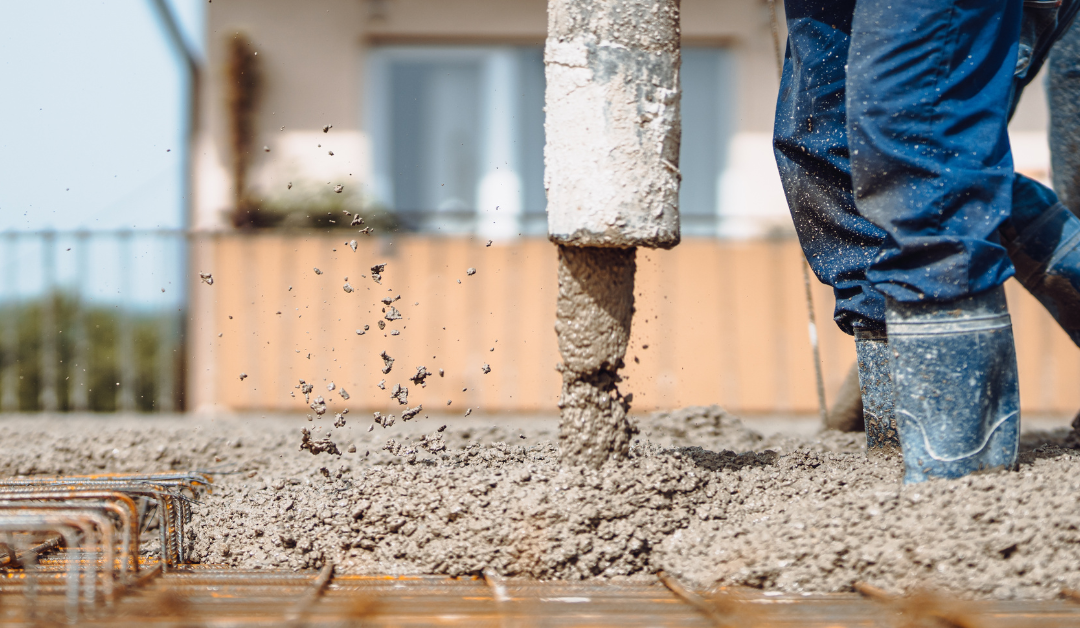
The terms concrete and cement are often used interchangeably, but they are not the same material. Understanding the distinction between them helps property owners make informed decisions about construction, repairs, and long-term maintenance. Concrete vs cement is more than a terminology question. It is about knowing how materials perform, why they are chosen, and what makes certain structures strong and reliable over time.
Whether planning a new driveway, walkway, patio, or commercial surface, understanding how these materials work together provides clarity and confidence throughout the process.
Understanding Cement as a Building Material
Cement is a fine powder made primarily from limestone, clay, and other minerals. It acts as a binding agent when mixed with water. On its own, cement hardens into a brittle material that lacks the strength and durability needed for most construction applications.
Cement’s role is essential, but limited. It is not designed to be used by itself for slabs, steps, or structural surfaces. Instead, it serves as one of the key ingredients in concrete. This distinction is at the heart of the concrete vs cement conversation.
What Concrete Is Made Of
Concrete is a composite material created by mixing cement with water, sand, and aggregate such as crushed stone or gravel. Each component contributes to the overall performance of the finished product.
The cement binds everything together, the aggregates provide strength and volume, and the water activates the chemical reaction that causes the mixture to harden. When properly proportioned and cured, concrete becomes a strong, durable material capable of supporting heavy loads and withstanding environmental stress.
This combination explains why concrete vs cement is not a matter of preference but of function. Concrete is the finished product designed for structural use. Cement is only one part of that system.
Why Cement Alone Is Not Used for Structural Surfaces
Using cement by itself would result in a surface that cracks easily and lacks the flexibility needed to handle temperature changes and weight. Cement alone shrinks significantly as it cures, making it unsuitable for slabs or exterior surfaces.
Concrete solves these limitations by incorporating aggregate, which reduces shrinkage and adds strength. This is a critical reason why driveways, sidewalks, ramps, and steps are built with concrete rather than cement alone. Understanding concrete vs cement helps explain why concrete is the standard choice for long-lasting construction.
Strength and Durability Differences
The strength of concrete comes from the interaction between cement paste and aggregate. As the mixture cures, the cement bonds the aggregate particles together, creating a solid, load-bearing surface.
Concrete is engineered to resist cracking, weather exposure, and repeated use. Cement by itself does not offer this level of performance. This difference is central to the concrete vs cement discussion, especially for exterior projects exposed to moisture and temperature changes.
Concrete also allows for reinforcement with steel, which further improves structural integrity and longevity. Cement alone cannot support reinforcement in the same way.
How Curing Plays a Role
Curing is the process that allows concrete to gain strength over time. It involves maintaining proper moisture and temperature so the cement can fully hydrate. Proper curing is essential for achieving the desired durability and performance.
Cement hardens quickly, but concrete continues to strengthen over weeks as curing progresses. This extended curing process is one of the reasons concrete performs so well in demanding environments. Understanding curing helps clarify the practical differences in concrete vs cement and why concrete is relied upon for structural applications.
Practical Applications in Construction
Concrete is used for a wide range of residential and commercial projects, including driveways, walkways, patios, foundations, steps, and accessibility features. Cement is used in the production of concrete and mortar, but rarely as a finished surface.
Mortar, which is a mixture of cement, sand, and water, is commonly used for brick and block work. Even then, it is not intended to function as a structural slab. These real-world uses highlight the functional divide in concrete vs cement.
Weather Resistance and Long-Term Performance
Concrete is designed to handle environmental stress. When mixed and installed correctly, it resists moisture penetration, freeze and thaw cycles, and surface wear. Cement alone does not offer the same resistance.
This difference matters greatly for exterior construction. Understanding concrete vs cement helps explain why concrete remains stable through changing seasons while cement-based materials without aggregate are more prone to damage.
Maintenance Considerations
Concrete surfaces require relatively low maintenance. Occasional cleaning, sealing, and inspection help extend their lifespan. Cement alone would deteriorate quickly under similar conditions.
Because concrete is engineered for durability, it maintains its structure and appearance far longer than cement-based materials used incorrectly. This practical advantage further reinforces the importance of understanding concrete vs cement when planning any project.
Why the Difference Matters for Property Owners
Knowing the difference between these materials helps property owners set realistic expectations and make informed choices. When someone refers to a cement driveway or cement patio, they are usually describing concrete. Recognizing this distinction improves communication and understanding during planning and construction.
Understanding concrete vs cement also helps property owners appreciate why professional installation, proper mix design, and curing practices are essential to long-term success.
Common Misunderstandings
A common misconception is that cement and concrete are interchangeable. In reality, cement is a component, not a finished building surface. Concrete is the complete material designed for structural use.
Clarifying this distinction avoids confusion and ensures that projects are designed and executed with the correct materials. This clarity is one of the most practical takeaways from the concrete vs cement discussion.
Choosing the Right Material for the Job
For most exterior and structural projects, concrete is the correct choice. Its composition allows it to perform under pressure, resist environmental changes, and support long-term use. Cement plays a vital role in creating concrete, but it is not intended to be used alone for slabs or surfaces.
Understanding concrete vs cement ensures that projects are built with the right expectations for strength, durability, and lifespan.
Long-Term Value and Reliability
Concrete offers excellent long-term value because of its durability and low maintenance requirements. When properly installed and cared for, it can last decades. Cement alone cannot offer the same reliability.
This difference explains why concrete is the standard material for residential and commercial construction. Recognizing the distinction between concrete vs cement helps property owners understand why concrete remains one of the most trusted building materials available.
Roles in Construction
Concrete and cement serve different roles in construction, and understanding that difference matters. Cement is an essential ingredient, but concrete is the finished product designed to perform under real-world conditions.
Knowing the difference between concrete vs cement leads to better decisions, clearer expectations, and more durable results. Whether planning a new project or maintaining an existing surface, this understanding supports long-term success and reliable performance.
Stay up to date with the latest at Austill Construction by liking us on Facebook.