
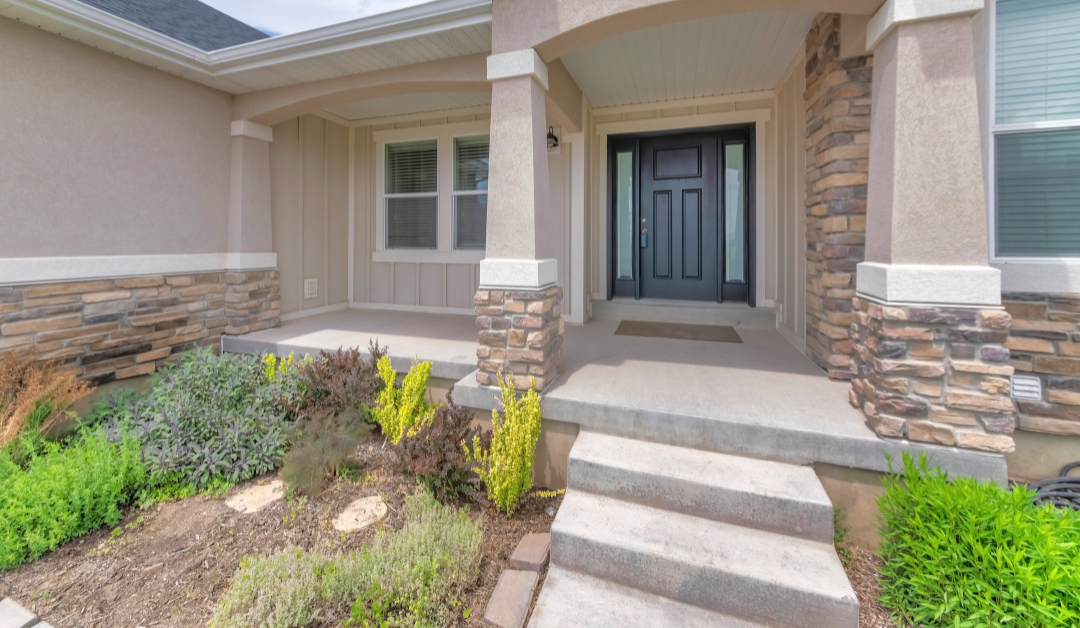
Concrete steps play an important role in both the safety and appearance of a property. They connect outdoor areas, guide foot traffic, and provide stable access to entrances, patios, and walkways. Because they serve as such essential structural elements, choosing the right material matters. For many homeowners and businesses, concrete steps offer the ideal combination of durability, strength, and long-term value.
Well-built concrete steps provide a stable, dependable surface that stands up to heavy use and changing weather throughout the year. They require little maintenance, adapt easily to different layouts, and remain strong for decades. These qualities make concrete one of the most trusted materials for steps in both residential and commercial settings.
The Strength and Stability of Concrete Steps
One of the biggest advantages of concrete steps is their structural strength. Concrete is known for its ability to handle weight, resist impact, and maintain its shape under pressure. When steps are formed and poured correctly, they create a solid, uniform structure that remains stable even after years of use.
Unlike wood, which can rot or warp, or pavers, which can shift over time, concrete steps maintain their form and function with very little upkeep. They resist erosion, do not separate under foot traffic, and stay firmly anchored through seasonal changes. This reliability is especially important for entryways and areas where safety and stability are a priority.
Because concrete is a poured material, it forms a single, continuous structure that supports each tread and riser evenly. This results in steps that feel sturdy and secure with every step taken.
Concrete Steps and Long-Term Durability
Durability is one of the strongest reasons to choose concrete steps. Concrete performs well in a variety of climates and handles both hot and cold temperatures without losing strength. With the right preparation and curing, concrete resists cracking, surface wear, and moisture infiltration.
Concrete also holds up well against heavy foot traffic. Whether it is used for a front entrance, outdoor staircase, or access to a patio or porch, the surface remains solid and dependable. When properly maintained, concrete steps can last several decades with minimal repair needs.
The material’s ability to resist weathering makes it ideal for properties in regions that experience changing seasons. Concrete does not shift easily during freeze and thaw cycles, and it does not soften or become overly slick during hot or humid weather.
Low Maintenance for Busy Property Owners
Another key benefit of concrete steps is their low-maintenance nature. Once installed and cured, concrete requires little attention to stay in good condition. Routine cleaning and occasional sealing are typically enough to maintain the surface and protect it from the elements.
This minimal upkeep stands in contrast to other materials. Wood steps need regular staining or painting to help prevent rot and fading. Pavers may require ongoing leveling and weed control. Steel steps can rust or corrode over time. Concrete, by comparison, offers steady performance without demanding frequent repairs or treatments.
Homeowners appreciate that concrete steps remain functional and attractive without constant upkeep. This makes them a practical choice for entrances, walkways, basements, or any area that benefits from a stable, long-lasting access point.
A Safe and Secure Option for Any Property
Safety is one of the most important considerations when installing steps. Uneven risers, shifting surfaces, or unstable materials can create hazards. Concrete steps provide a solid and slip-resistant foundation that increases safety for residents and visitors.
The consistent texture of concrete helps reduce the risk of slipping, especially when finished with a broom texture that adds traction. Even during wet or icy weather, well-built concrete steps offer a stable, predictable surface that supports safer footing.
Concrete also remains level and structurally sound over time. Because it does not shift like loose materials, each step maintains the correct height and depth. This uniformity supports safe foot placement and smooth movement up and down the staircase.
Versatility in Design and Layout
While concrete is known for its strength, it is also a highly adaptable material. Concrete steps can be designed to fit a wide range of layouts, from straight stairways to angled or multi-level entrances. Contractors can adjust the size, width, and height of steps to match the property’s needs and local building requirements.
Concrete integrates well with other features such as walkways, porches, patios, and retaining walls. This allows steps to become a seamless part of the property’s overall design. The clean, simple appearance of concrete pairs well with most architectural styles and landscaping choices.
Because it is poured on-site, concrete offers flexibility that manufactured materials cannot match. Each set of concrete steps is built to fit the exact space, creating a polished and well-coordinated look.
How Proper Installation Ensures Long-Lasting Results
The performance of concrete steps depends greatly on proper installation. Steps require careful planning, accurate forming, and strong reinforcement to achieve long-term stability. A solid base and proper compaction help ensure the structure does not settle or shift.
Reinforcement, such as rebar or wire mesh, helps control cracking and provides added strength. Correct formwork keeps each tread and riser level, and careful pouring ensures the concrete fills every space without voids.
Once placed, concrete must be finished and cured properly. A broom finish adds traction, and controlled curing helps the steps reach their full strength. Good workmanship at each stage is what makes concrete steps durable and reliable for years to come.
Weather Resistance and Seasonal Performance
Concrete is well suited for properties that face a wide range of seasonal conditions. Concrete steps expand and contract predictably during temperature changes, and their solid structure helps them resist damage during freeze and thaw cycles.
Snow and ice removal is also easier on concrete compared to materials such as wood or composite. A broom-finished surface provides better traction during winter weather, and the solid structure prevents shifting or heaving.
With occasional sealing to help protect the surface from moisture penetration, concrete steps remain resilient through rain, heat, snow, and humidity. This makes them an excellent choice for properties where steps are used year-round.
When Concrete Steps Are the Right Choice
Concrete is often the best material for steps when durability, safety, and low maintenance are the top priorities. You may want to consider concrete steps if your property needs:
- A strong and reliable entrance
- A safe walkway connection
- Steps that integrate well with concrete driveways or patios
- Low-maintenance access points
- Long-lasting performance with minimal repairs
Concrete offers dependable support and a clean, finished appearance that suits everything from residential porches to commercial entrances.
Maintenance Tips for Concrete Steps
Although concrete is low maintenance, a few simple habits can help extend the life of your concrete steps and keep them looking their best.
- Sweep debris regularly to prevent buildup.
- Rinse the surface occasionally to remove dirt and grime.
- Apply a penetrating sealer every few years to help protect against moisture.
- Clear snow promptly in winter using a plastic shovel.
- Avoid de-icers with harsh salts that may wear down the surface.
With consistent, light care, concrete steps maintain their strength and appearance for many years.
Long-Term Value for Homeowners and Businesses
A well-built set of concrete steps offers excellent long-term value. The material’s durability helps reduce repair costs, its low maintenance saves time, and its dependable structure supports safe use for decades.
Whether for a front entrance, backyard access, or commercial walkway, concrete provides a cost-effective and lasting solution. The blend of strength, adaptability, and minimal upkeep makes concrete steps a dependable feature for nearly any property type.
Reliable, Long-Lasting Solutions
Concrete is one of the most trusted materials for stair construction because it offers long-term stability, dependable performance, and low maintenance. Concrete steps are strong enough to handle everyday use, versatile enough to fit a variety of designs, and durable enough to stand up to seasonal weather.
For property owners seeking a reliable, long-lasting solution, concrete provides strong value. With proper installation and simple routine care, concrete steps continue to perform well and enhance the safety and appearance of the property for many years.
Learn More and Get in Touch
If you’re looking for more information about professional concrete work in Berks County and surrounding areas, contact us!
Stay up to date with the latest at Austill Construction by liking us on Facebook.