
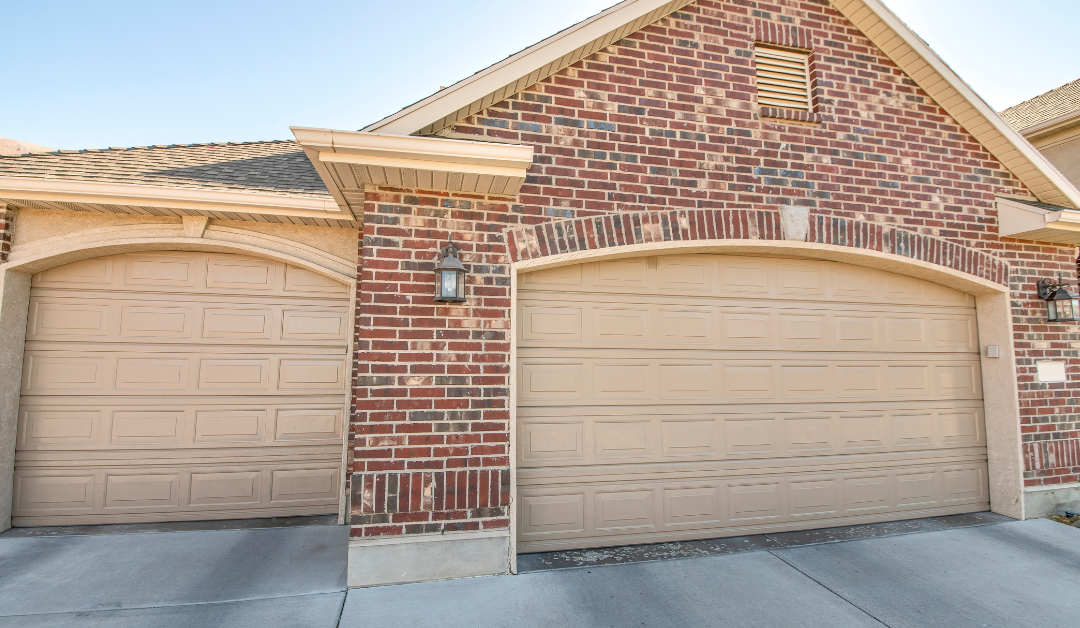
A well-built driveway is designed to handle years of daily use, changing weather, and seasonal stress. With the right care, it can remain strong, smooth, and visually clean for decades. A concrete driveway benefits greatly from consistent, seasonal maintenance that supports durability and helps prevent surface wear before it turns into a larger issue.
Each season brings different environmental conditions that affect how concrete performs. By adjusting maintenance habits throughout the year, property owners can protect their investment and keep surfaces functioning as intended.
Why Seasonal Maintenance Matters
Concrete naturally responds to temperature changes, moisture levels, and ground conditions. Expansion during warm weather and contraction in cold weather are normal, but unmanaged stress can shorten the lifespan of a surface over time. Seasonal maintenance helps reduce unnecessary strain and supports long-term stability.
Routine care does not require complex tools or constant attention. Instead, it focuses on timely inspections, light cleaning, and protective measures that align with the conditions each season brings.
Spring Maintenance: Clean and Inspect
Spring is an ideal time to assess surface conditions after winter weather. Snow, ice, and de-icing products can leave behind residue that affects both appearance and surface integrity.
Begin by thoroughly cleaning the surface using a broom and hose or a pressure washer on a low setting. This removes dirt, sand, and debris that can trap moisture. Avoid aggressive pressure that could damage the surface layer.
Once clean, inspect the concrete driveway for small cracks, surface wear, or joint separation. Minor surface changes are normal and can often be addressed early with sealing or small repairs. Catching these issues in spring helps prevent moisture infiltration during warmer months.
Summer Maintenance: Protect Against Heat and Use
Summer brings higher temperatures, increased use, and occasional heavy rainfall. During this season, protecting the surface from moisture and surface wear is especially important.
Applying a high-quality sealer during dry, moderate weather helps protect the concrete driveway from water absorption, stains, and surface drying. Sealants also help regulate moisture movement within the slab, reducing internal stress caused by heat.
Summer is also a good time to observe drainage patterns. Water should flow away from the surface rather than pooling. Standing water increases wear and can weaken areas over time.
Fall Maintenance: Prepare for Cold Weather
Autumn provides an opportunity to prepare concrete surfaces for winter conditions. Clearing debris and addressing surface concerns before freezing temperatures arrive helps protect concrete from seasonal stress.
Leaves, dirt, and organic material should be swept regularly to prevent staining and moisture retention. If sealing was not completed in summer, early fall is often a suitable time as long as temperatures remain moderate.
Inspect joints and edges of the concrete driveway to ensure they are clear and functioning as intended. Proper joint performance allows concrete to expand and contract naturally during temperature changes, reducing the risk of cracking.
Winter Maintenance: Minimize Surface Stress
Winter places the greatest demand on exterior concrete. Snow, ice, and freezing temperatures require careful maintenance to protect the surface.
Prompt snow removal helps limit freeze and thaw cycles that allow moisture to enter surface pores. Plastic shovels are recommended to avoid scratching or chipping the concrete.
When traction is needed, avoid harsh salt-based de-icing products whenever possible. These materials can contribute to surface wear. Sand or alternative de-icing options are gentler choices for a concrete driveway during winter months.
Year-Round Drainage Awareness
Good drainage is essential in every season. Water that collects on or near concrete increases the risk of settlement and surface wear. Downspouts, gutters, and surrounding landscaping should direct water away from paved areas.
Standing water near a concrete driveway may indicate grading or drainage issues that should be addressed. Maintaining consistent soil conditions beneath the surface helps prevent movement and uneven settling over time.
Routine Inspections Make a Difference
Periodic inspections throughout the year help identify small changes before they become larger concerns. Hairline cracks, minor surface scaling, or joint changes are easier to manage when addressed early.
Inspect the surface after significant weather events or seasonal transitions, paying close attention to high-traffic areas or spots with frequent water exposure. Regular observation supports long-term performance without requiring major intervention.
Mindful Use and Load Distribution
Concrete is strong, but repeated stress in the same areas can contribute to wear over time. When possible, vary parking positions and avoid placing heavy equipment near edges or joints for extended periods.
Balanced use helps distribute weight evenly and reduces localized stress on the surface, supporting longevity and a consistent appearance.
Sealing as Preventative Care
Sealing is one of the most effective ways to protect concrete from moisture and surface wear. A properly sealed concrete driveway resists staining, water penetration, and environmental exposure more effectively than unsealed surfaces.
Sealants also make routine cleaning easier by preventing dirt and liquids from being absorbed. Following recommended resealing intervals ensures consistent protection year after year.
Addressing Small Repairs Promptly
Minor repairs should be handled as soon as they are noticed. Filling small cracks or surface imperfections helps prevent water intrusion that can expand during cold weather.
Early repair extends the lifespan of the surface and reduces the likelihood of more extensive work later. Maintaining repaired areas through sealing and proper drainage supports long-term performance.
Long-Term Benefits of Seasonal Care
Consistent seasonal maintenance helps preserve both function and appearance. A well-maintained concrete driveway remains level, visually clean, and structurally sound through years of use.
This approach reduces long-term repair costs and supports dependable performance in all weather conditions. Seasonal care is a practical way to protect the investment made in concrete surfaces.
When Professional Evaluation Is Helpful
If uneven settling, recurring cracks, or drainage issues persist despite regular maintenance, professional evaluation may be beneficial. Identifying underlying causes early helps prevent further surface stress.
A professional assessment can determine whether maintenance adjustments, repairs, or additional support measures are needed to restore stability.
Seasonal Maintenance
Seasonal maintenance plays a key role in protecting concrete surfaces from unnecessary wear. By adjusting care habits throughout the year, property owners support strength, stability, and appearance over time.
A concrete driveway maintained with attention to seasonal conditions continues to perform reliably and remain visually consistent for decades. Consistent upkeep helps a concrete driveway deliver long-term reliability while supporting safe, everyday use.
Stay up to date with the latest at Austill Construction by liking us on Facebook