
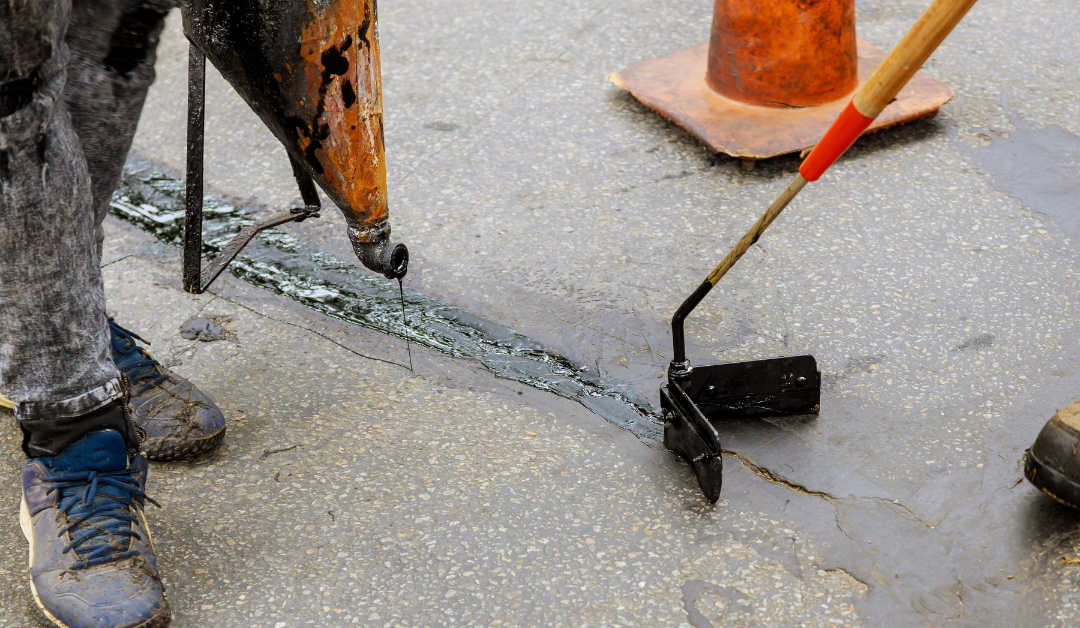
Addressing surface cracks is an important step in maintaining concrete, but the work does not stop once repairs are complete. Concrete crack repair restores strength and appearance, yet preventing new cracks from forming is just as important for long-term performance. With the right care, preparation, and maintenance, repaired concrete surfaces can remain stable and durable for many years.
Understanding what causes cracks in the first place helps property owners take proactive steps to protect their concrete. Movement in the soil, changes in temperature, moisture exposure, and everyday use all play a role. After concrete crack repair, focusing on prevention ensures that the surface continues to perform as intended rather than developing recurring issues.
Why Cracks Form in Concrete Over Time
Concrete is strong, but it is not completely rigid. It naturally expands and contracts as temperatures change. Moisture levels in the soil can also shift, causing subtle movement beneath slabs. These normal conditions can eventually lead to cracking, even in well-installed concrete.
Before concrete crack repair is performed, cracks often develop due to a combination of environmental stress and wear. Once repairs are made, reducing those same stressors helps protect the surface from future damage.
Cracks typically form because of:
- Soil settling or erosion beneath the slab
- Freeze and thaw cycles
- Excess water infiltration
- Heavy or uneven loads
- Natural aging of the concrete
By addressing these factors, it becomes much easier to preserve the results of a quality repair.
The Importance of Proper Drainage
Water management is one of the most effective ways to prevent future cracking. Standing water or poor drainage allows moisture to seep into the concrete and the soil below it. When temperatures drop, that moisture can expand and create pressure that leads to cracking.
After concrete crack repair, it is important to ensure water flows away from the surface. Gutters and downspouts should direct water away from slabs, not toward them. Slopes around driveways, walkways, and patios should encourage proper runoff rather than pooling.
Maintaining good drainage reduces stress on repaired areas and helps keep the soil beneath the concrete stable.
Sealing the Surface for Added Protection
Applying a high-quality concrete sealer is another important step following concrete crack repair. Sealers create a protective barrier that limits moisture penetration, helping to shield the surface from water, salts, and contaminants.
Sealing also helps regulate how moisture moves in and out of the concrete. This balance reduces internal pressure and minimizes surface wear. For most exterior concrete surfaces, resealing every few years provides consistent protection and supports long-term durability.
A sealed surface is easier to clean and less likely to absorb substances that can weaken repaired areas over time.
Supporting the Concrete With a Stable Base
The condition of the soil beneath concrete plays a major role in its performance. Even after concrete crack repair, movement below the surface can create stress that leads to new cracking.
Keeping the base stable involves managing water flow and avoiding erosion around the slab. Heavy runoff, poor grading, or landscaping changes can affect soil support. Maintaining consistent ground conditions helps prevent shifting that can compromise repaired areas.
When the soil remains compact and evenly supported, the concrete above it experiences less movement and less stress.
Managing Temperature-Related Stress
Temperature changes are unavoidable, especially in regions with distinct seasons. Concrete expands in warm weather and contracts in cold conditions. While this movement is normal, controlling stress helps protect repaired areas.
Control joints play an important role by giving the concrete designated points to move. After concrete crack repair, keeping these joints clear and functional helps prevent random cracking elsewhere on the surface.
Avoiding rapid temperature changes can also help. For example, using gentle snow removal methods and avoiding extremely hot water on cold concrete reduces sudden stress.
Using the Surface Mindfully
Everyday use has an impact on concrete. Repeated heavy loads in the same location can add stress to repaired areas. After concrete crack repair, it is helpful to vary parking positions when possible and avoid placing heavy equipment near edges or joints.
This does not mean limiting normal use. It simply means being aware of how weight is distributed over time. Balanced use helps the surface wear evenly and reduces localized pressure that can lead to new cracks.
Addressing Small Issues Early
Routine inspections play a key role in preventing future cracking. Small surface changes are easier to address before they grow into larger problems.
After concrete crack repair, periodic checks help identify early signs of movement or surface wear. Minor hairline cracks or surface changes can often be sealed or treated quickly, preventing moisture from entering and expanding the issue.
Early attention keeps repairs effective and minimizes the need for additional work later.
Seasonal Maintenance Makes a Difference
Each season presents different challenges for concrete. Adapting maintenance habits throughout the year helps protect repaired surfaces.
In warmer months, regular cleaning prevents buildup that can trap moisture. In colder months, prompt snow removal reduces freeze and thaw exposure. Avoiding harsh de-icing products helps preserve the integrity of areas that have undergone concrete crack repair.
Seasonal care supports the durability of repairs and reduces environmental stress on the surface.
How Professional Repairs Support Long-Term Prevention
Quality workmanship during concrete crack repair sets the stage for long-term success. Proper preparation, correct materials, and careful application ensure that repairs bond well and move consistently with the surrounding concrete.
Well-executed repairs reduce weak points and help the surface respond evenly to environmental changes. This consistency makes future cracking less likely and supports the overall performance of the slab.
Professional repair techniques also account for joint placement, surface texture, and curing, all of which contribute to long-term stability.
Preventing Recurring Cracks Through Smart Care
Preventing future cracks is a combination of good habits and thoughtful maintenance. After concrete crack repair, the goal is to protect the surface from unnecessary stress while allowing it to perform naturally.
Simple actions such as managing water, sealing the surface, and inspecting periodically go a long way. These steps help preserve both the structural integrity and appearance of repaired concrete.
With consistent care, concrete surfaces remain strong, functional, and visually uniform for years.
Ensuring Restoration Lasts
Crack repair restores concrete, but prevention ensures that restoration lasts. After concrete crack repair, focusing on drainage, sealing, soil stability, and seasonal maintenance helps protect the surface from future stress.
Concrete is built to be durable, and with the right preventative approach, repaired areas continue performing as intended. Long-term success comes from understanding how concrete responds to its environment and supporting it with smart, proactive care.
Stay up to date with the latest at Austill Construction by liking us on Facebook.