
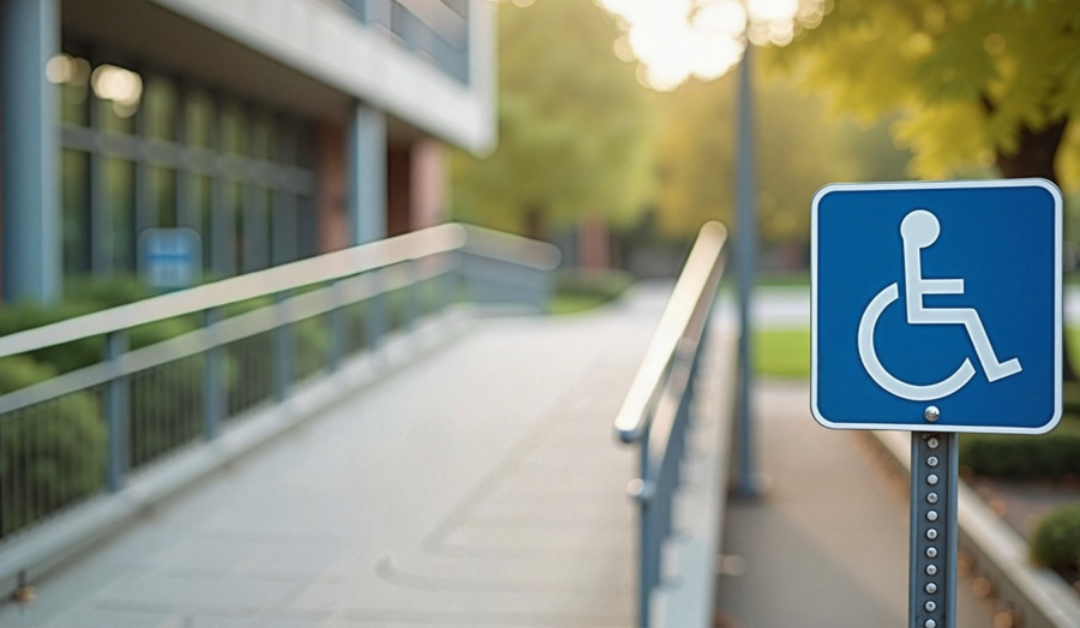
Accessibility is a fundamental part of modern commercial design. Every business, office, and public building relies on safe, smooth, and compliant access routes that accommodate all individuals. An essential part of this accessibility is a concrete ADA ramp, which provides a stable and reliable connection from parking areas, sidewalks, or exterior pathways to the main entrance of a commercial property.
A well-built concrete ADA ramp supports both safety and convenience, offering a durable solution that stands up to daily foot traffic, weather conditions, and long-term use. When constructed correctly, it ensures that the building meets ADA requirements while creating a welcoming path for customers, employees, and visitors.
Why Concrete Is Ideal for ADA-Compliant Ramps
Concrete is one of the strongest, most reliable construction materials, making it the preferred choice for commercial accessibility features. A concrete ADA ramp offers long-term stability, holds up against heavy use, and performs well in changing weather conditions throughout the year.
Its weight-bearing capacity and structural integrity make it ideal for high-traffic commercial settings. Unlike wood, metal, or modular ramps, concrete provides a permanent installation with minimal maintenance needs. It also offers a slip-resistant finish and the ability to be shaped precisely to meet ADA specifications.
For commercial entrances that rely on consistent, safe, and long-lasting access, concrete remains an excellent choice for ramp construction.
Understanding ADA Requirements for Ramp Design
ADA standards provide clear guidelines to ensure ramps are functional and safe for individuals using wheelchairs, mobility aids, strollers, or those who simply need a gentler incline. These standards guide how a concrete ADA ramp should be designed and built from the ground up.
- A maximum slope of 1:12
- Level landings at the top and bottom of the ramp
- Minimum ramp width of 36 inches
- Smooth, continuous surface without abrupt changes
- Handrails for certain ramp heights or lengths
- Edge protection to prevent wheel drop-off
- Proper transitions at doorways and connecting surfaces
These guidelines ensure that a concrete ADA ramp is comfortable, safe, and easy to navigate. When ramps follow these standards precisely, they become dependable access points for all users.
Planning and Site Preparation for a Concrete ADA Ramp
Before construction begins, proper planning and site assessment are essential. The layout of the commercial entrance, the surrounding landscape, and the available space all influence the ramp’s design. Professionals evaluate these details to determine the best placement, slope direction, landing size, and connection points.
A concrete ADA ramp requires a stable foundation. Site preparation may include grading, excavation, soil compaction, and adjusting drainage patterns. This ensures the ramp will not settle unevenly or experience water pooling in the future.
Commercial entrances vary widely, which makes customization a key part of the planning stage. The ramp must integrate smoothly with existing walkways, parking lots, and door thresholds. Proper planning ensures that these transitions are seamless and compliant.
Formwork and Reinforcement for Structural Strength
A strong foundation is crucial for a lasting concrete ADA ramp, and that begins with proper formwork and reinforcement. Concrete forms create the exact shape and slope required, guiding the final structure and holding the material in place during the pour.
Reinforcement materials, such as rebar or wire mesh, are placed within the forms to strengthen the ramp. This reinforcement helps control cracking, distributes weight evenly, and enhances long-term durability.
Because commercial entrances experience significant foot traffic and occasional equipment loads, reinforcement is especially important. A well-reinforced concrete ADA ramp remains stable and secure through years of use.
Pouring and Finishing the Concrete Surface
Once the forms and reinforcement are ready, the concrete is poured and shaped to the correct slope and elevation. Proper placement ensures that the ramp has a uniform incline and meets ADA slope requirements throughout its length.
The finishing stage plays a major role in safety. A broom finish is commonly used to give the concrete ADA ramp a slip-resistant texture. This improves traction during rain, snow, or ice, which is essential for commercial areas with constant foot traffic.
The edges, transitions, and landings are carefully shaped to create smooth movement from one surface to another. These finishing steps contribute significantly to both appearance and function.
Curing for Long-Term Performance
After the concrete is poured and finished, curing begins. This is the process that allows the concrete ADA ramp to gain strength and durability. Proper curing ensures that the material hardens evenly and reaches its intended structural capacity.
- Keeping the surface moist
- Applying a curing compound
- Using protective coverings to retain moisture
The curing period prevents premature drying or surface cracking and helps the ramp maintain its long-term stability. Adequate curing time is essential before allowing heavy use, especially in commercial spaces.
Integrating the Ramp With Walkways and Entrances
A concrete ADA ramp performs best when it connects smoothly with the surrounding areas. Proper integration ensures that each part of the access route supports safe movement.
Transitions often include slight grade adjustments, doorway threshold alignment, or walkway extensions. These details help prevent abrupt edges or uneven surfaces that could disrupt the flow of movement.
Drainage is also a key consideration. Concrete ramps must be designed so water flows away from the walking surface, reducing slip risks and preserving the condition of the ramp over time.
When the ramp integrates naturally into the overall entrance layout, it becomes a functional and attractive part of the building’s exterior.
The Benefits of Concrete ADA Ramp Construction for Businesses
Commercial properties benefit greatly from installing a concrete ADA ramp. The main advantages include:
- Long-term durability that handles heavy foot traffic
- Low maintenance requirements compared to other materials
- Consistent surface that enhances safety for all users
- Compliance with ADA accessibility standards
- Natural integration with walkways, parking lots, and building entrances
- Dependable performance in various weather conditions
Businesses that prioritize accessibility create more welcoming environments, improve customer experience, and meet essential building requirements. A concrete ADA ramp supports these goals while delivering reliable, long-lasting value.
Maintenance Tips for Concrete ADA Ramps
Although concrete is low maintenance, a few simple steps can help preserve the quality of the ramp over time.
- Sweep away debris regularly
- Rinse dirt and buildup as needed
- Apply sealer every few years to protect against moisture
- Keep transitions clear and level
- Address small cracks early to prevent spreading
- Avoid harsh de-icing salts that may wear the surface
With routine care, a concrete ADA ramp continues performing well and supporting safe access year-round.
When to Consider Upgrading or Rebuilding
Over time, environmental exposure or older construction methods may affect an existing ramp. It may be time to consider a new concrete ADA ramp if the current structure shows:
- Significant surface wear
- Uneven settling
- Sloping that no longer meets ADA requirements
- Crumbling edges or surface scaling
- Poor transitions at doorways or walkways
Upgrading ensures the commercial property remains compliant and safe for all individuals.
Essential, Reliable Feature
A concrete ADA ramp is an essential feature for commercial entrances, offering safety, compliance, and dependable performance. Through proper planning, reinforcement, finishing, and maintenance, concrete ramps provide long-lasting accessibility that supports businesses and their visitors.
Concrete remains one of the strongest and most reliable materials for ramp construction, making it a valuable addition to any commercial property that prioritizes accessibility and long-term durability.
Reach Out for Your Next Upgrade
Whether you’re ready for your next build or repair, we’re here. For more information about professional concrete work, reach out to us!
Stay up to date with the latest at Austill Construction by liking us on Facebook.